
Electronic connectors –
Precision joining technology for industry,
Automotive and Medical Technology.
The importance of
Electronic connectors.
Electronic connectors are key components for the safe and reliable transmission of signals, data and power. They enable stable contact transmission in circuits, cable harnesses and complex assemblies – and are therefore indispensable in almost all areas of modern electrical engineering.
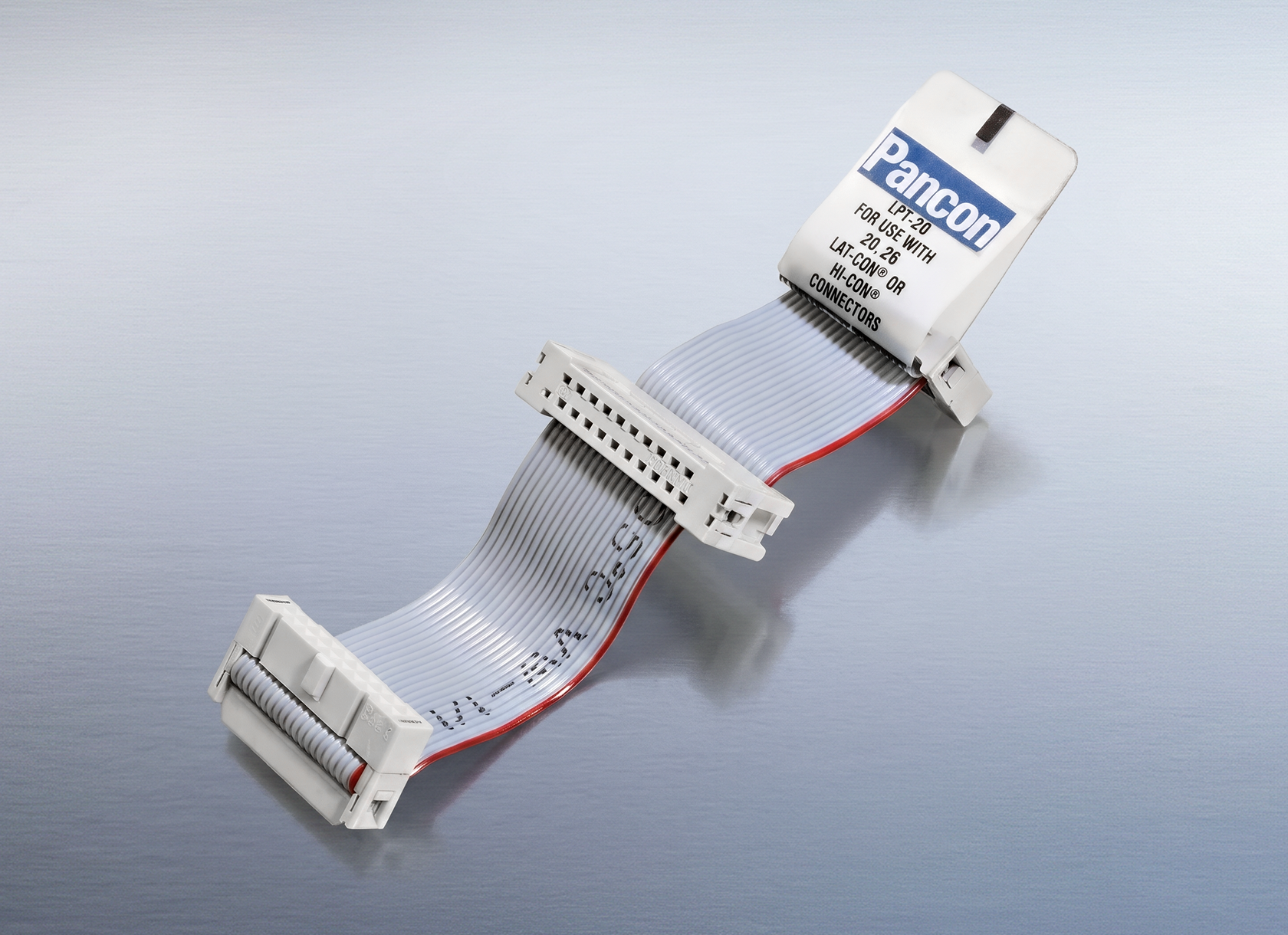
From IDC and cutting-clamping technology, through connectors for ribbon cables and printed circuit boards, to complex connector systems for industry, medical technology, measurement and control technology, and the automotive sector, Püplichhuisen offers a wide range of solutions.
Advantages and benefits of
Electronic connectors.
- Reliable signal transmission even at high data rates
- Versatility: for printed circuit boards, cable harnesses, and device and system connections
- Compliance with international standards (e.g. IEC, UL)
- Durability thanks to high-quality materials and contact coatings
- Flexibility in designs, module dimensions and mounting options
Types of electronic connectors.
What are they?
IDC connector technology.
The Insulation Displacement Connection (IDC) allows for the rapid connection of conductors without prior stripping. The conductors are pressed directly into cutting terminals, establishing a gas-tight contact.
Technical details: Suitable for multi-strand conductors, pitch sizes such as 1.27 mm to 2.54 mm, high mating cycle endurance, temperature range -40 to +105 °C.
Typical applications: Wiring harnesses, computer technology, mass production of control cables.
Cutting and clamping technology.
The cut-and-crimp technique is a tried-and-tested solution for tool-free connection. This involves pressing the conductor into a cut-and-crimp terminal, thereby creating a secure connection.
Technical details: For solid and flexible conductors up to 2.5 mm², maintenance-free, vibration-resistant.
Typical applications: Household appliances, electronic assemblies, servicing and repair work.
Connectors for ribbon cables
with lateral insertion.
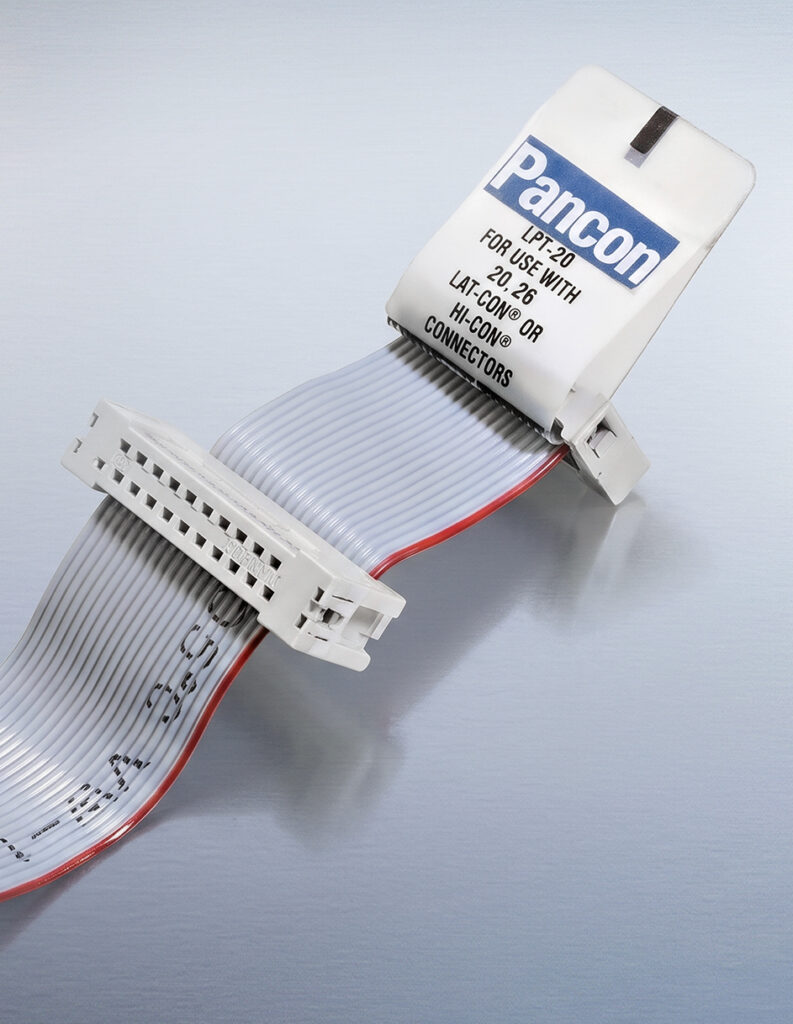
These connectors have been specially developed for ribbon cables and allow for compact, side-entry cable routing. They save space and enable high-pin-count connections in digital and industrial electronics.
Technical details: Pitch typically 1.27 mm, up to 64 poles; can be combined with IDC technology for quick assembly.
Typical applications: Computer and communications technology, interfaces, signal transmission in measuring instruments.

Connectors for
printed circuit boards.
PCB connectors link printed circuit boards (PCBs) to each other or to cable systems. They are available in various pitches, pole numbers and designs (e.g. pin and socket headers, spring contacts).
Technical details: Pitch sizes from 0.5 mm to 5.08 mm, number of pins from 2 to >100, service life of up to 500 mating cycles, some suitable for high current.
Typical applications: Industrial electronics, medical technology, control units, consumer electronics.
Connector systems
for various sectors.
Connector systems for
Industrial automation.
These systems are designed for robustness and reliability in harsh environments. They offer protection ratings up to IP67/IP69K, vibration-resistant contacts and modular designs. In addition, many variants are designed to withstand repeated mating cycles, are EMC-protected and enable hybrid solutions (data and power in a single connector).
Technical details: High current-carrying capacity up to 16 A, temperature range -40 to +125 °C, mating cycles ≥ 500.
Typical applications: Manufacturing plant, robotics, control and automation technology, conveyor systems, process control technology.
Connector systems for
Medical technology.
In medical technology, the highest standards of precision, hygiene and reliability apply. Connectors are often miniaturised, easy to clean and designed to withstand frequent plugging and unplugging. Materials such as medically approved plastics or gold-plated contacts ensure durability. Many systems are sterilisable and offer colour-coded solutions to prevent errors.
Technical details: Up to 10,000 insertion cycles, biocompatible materials, resistant to steam sterilisation and aggressive cleaning agents.
Typical applications: Diagnostic equipment, imaging systems, patient monitoring devices, surgical equipment, mobile monitoring technology.
Connector systems for
Measurement and Control Technology
Precise signal transmission is the focus here. Connectors are often shielded (EMC protection), have high contact reliability, and are partly available in miniature designs. Multi-pin variants allow for complex signal processing.
Technical details: Contact resistance <10 mΩ, dielectric strength up to 250 V, often with screw or snap-lock fastenings.
Typical applications: Test equipment, sensors, process control systems, laboratory equipment, measurement technology in research and development.
Connector systems for
Automotive.
In vehicle manufacturing, connectors must withstand extreme conditions: vibrations, temperature fluctuations, humidity and chemicals. Automotive connectors are therefore robust, vibration-resistant, lockable and often fitted with sealing systems. Furthermore, miniaturisation is a crucial factor, as modern vehicles require a large number of connectors in a very small space.
Technical details: Temperature range -40 to +150 °C, protection ratings up to IP69K, high mating cycles, complies with automotive standards such as LV214 and USCAR-2.
Typical applications: Wiring harnesses, control units, sensors, actuators, driver assistance systems (ADAS), infotainment systems.
Overview of the
Electronic connectors
near Püblichhuisen.
Category
Special features
Technical details
Typical areas of application
Synonyms and
related terms.
Electronic connectors are also known as:
- Board-to-board connectors
- Wire-to-board connectors
- Signal connectors
- Cable connector
- Contact connector systems
Standards and
Quality standards.
Electronic connectors are subject to international standards that ensure safety and interoperability:
- IEC 60603 – Connectors for electronic equipment
- IEC 61076 – Circular and rectangular connectors for industrial applications
- DIN EN 60352 – Non-detachable electrical connections (crimp and IDC technology)
- UL-/CSA Certifications – for international use
- Automotive standards (e.g. LV214, USCAR-2) – for use in vehicle construction
Our Partners.
When it comes to distribution, we deliberately focus on a curated brand portfolio, reliably tested quality and in-depth technical expertise, ensuring that components are available quickly and integrate seamlessly into your applications. The range extends from connectors, crimp contacts and ferrule sleeves, through cable protection and marking, to fastening technology, assembly tools and interfaces for automation – all efficiently sourced from a single supplier and reliably implemented.

























Our
Product catalogues.
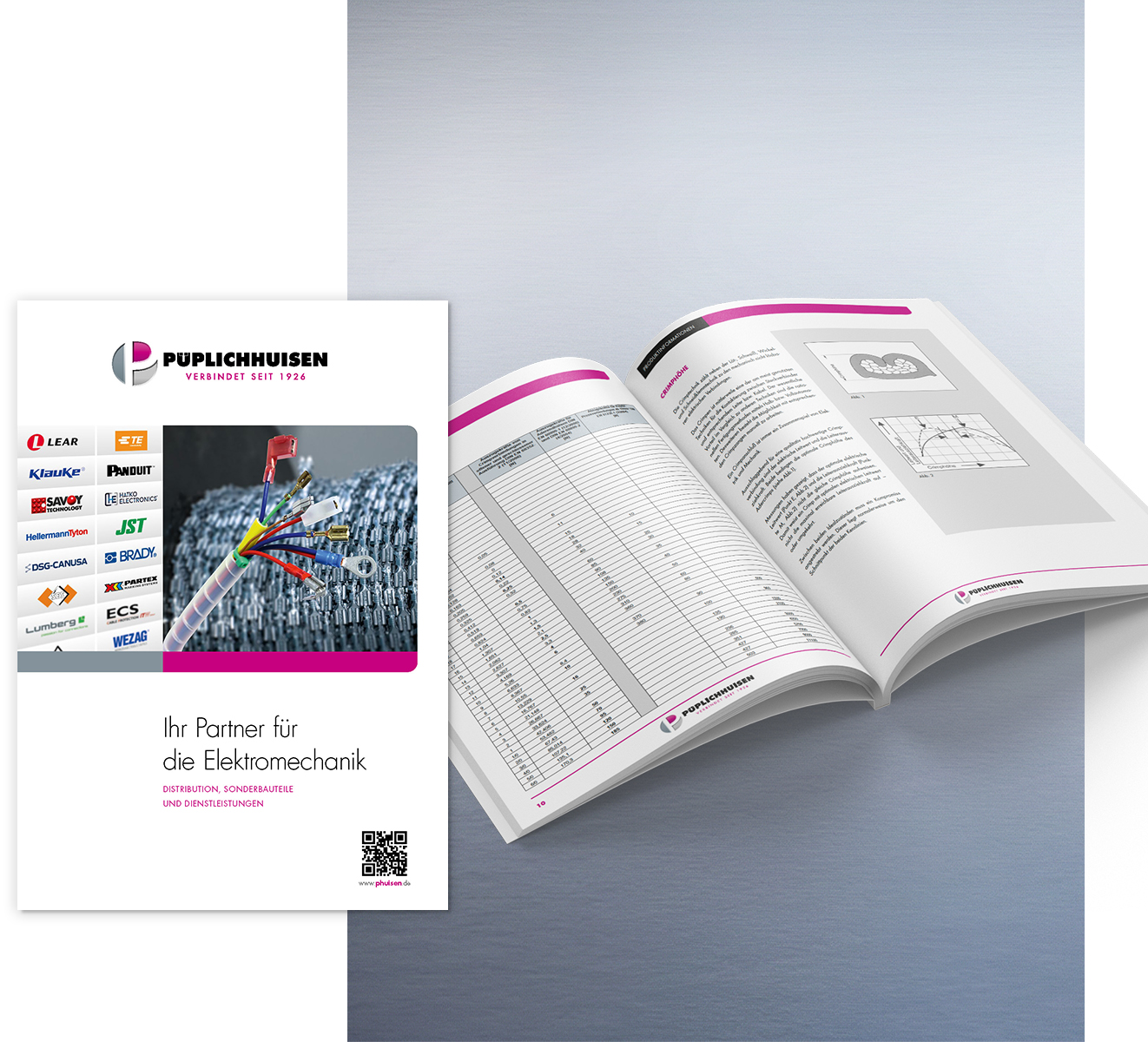
All product catalogues, series overviews and data sheets from Püplichhuisen in one place – always up to date. With technical specifications, standards and ordering information as PDFs for direct download. Ideal for purchasing, development and production.
Your path to becoming a distributor
for electronic connectors.
Whether it’s IDC technology, printed circuit board connectors or rugged systems for industrial and automotive applications – at Püplichhuisen you’ll find a wide range of electronic connectors for every application.

All product groups.

Electronics
Connectors and
Connector
system
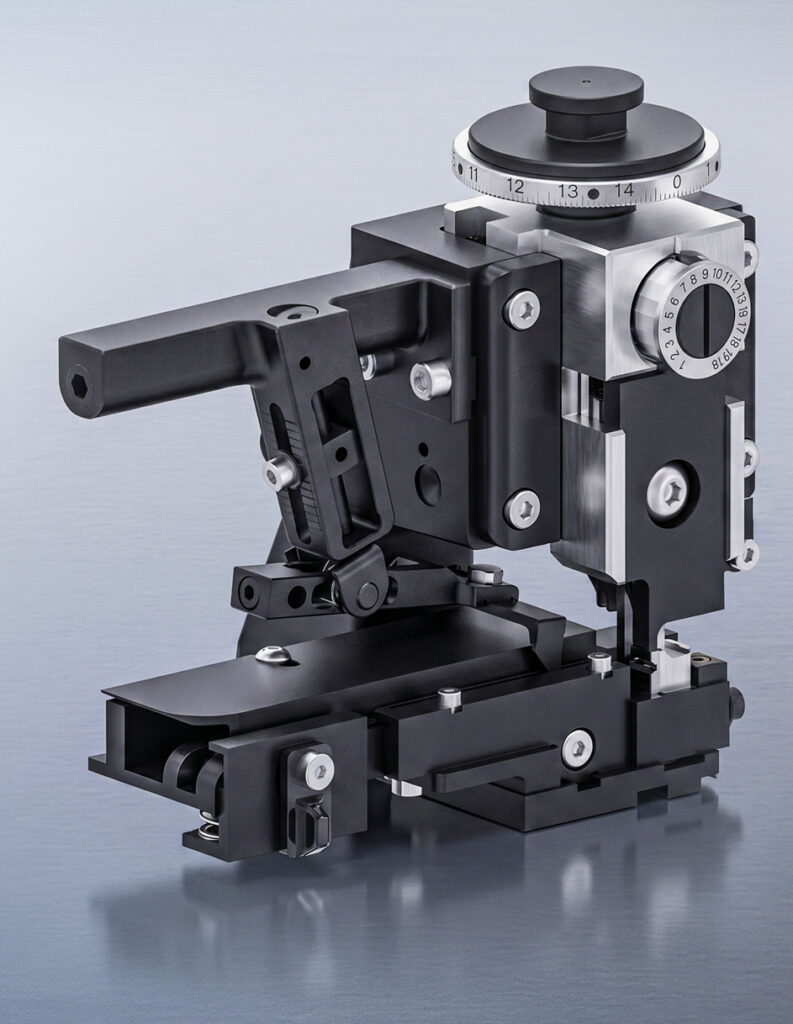
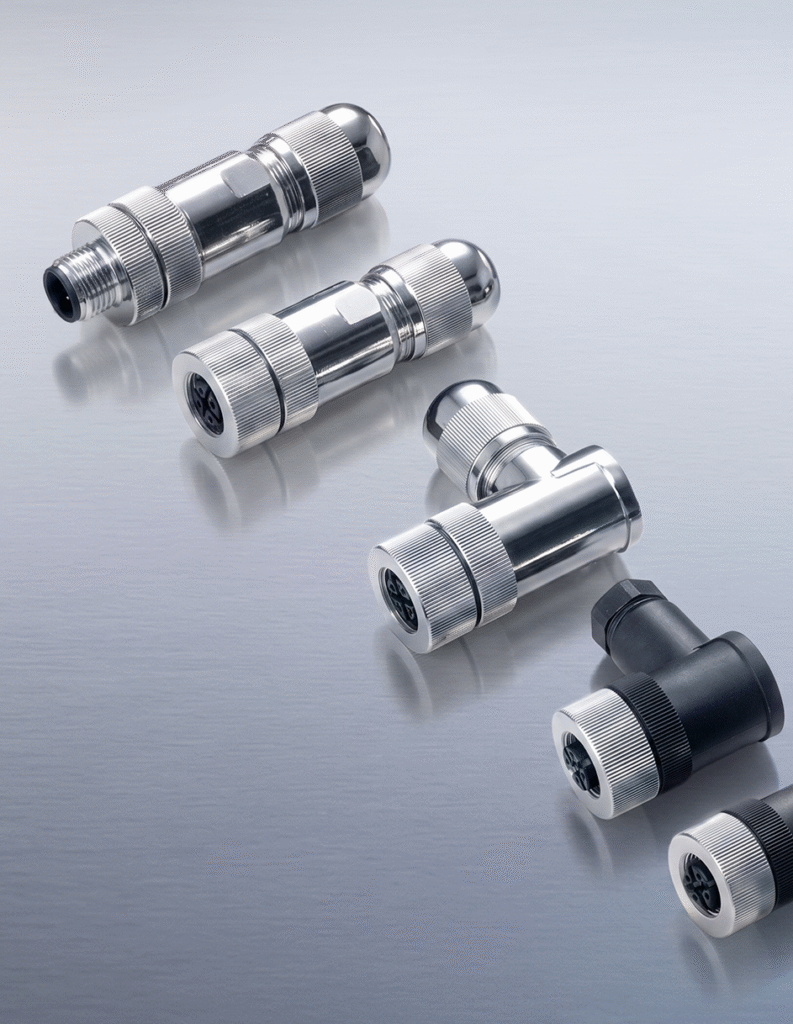
Connection systems for industrial automation, medical technology, measurement and control technology, automotive, etc.
- IDC connector technology, insulation displacement technology for fast, secure, and rational connection technology
- for ribbon cable technology with lateral entry
- for printed circuits
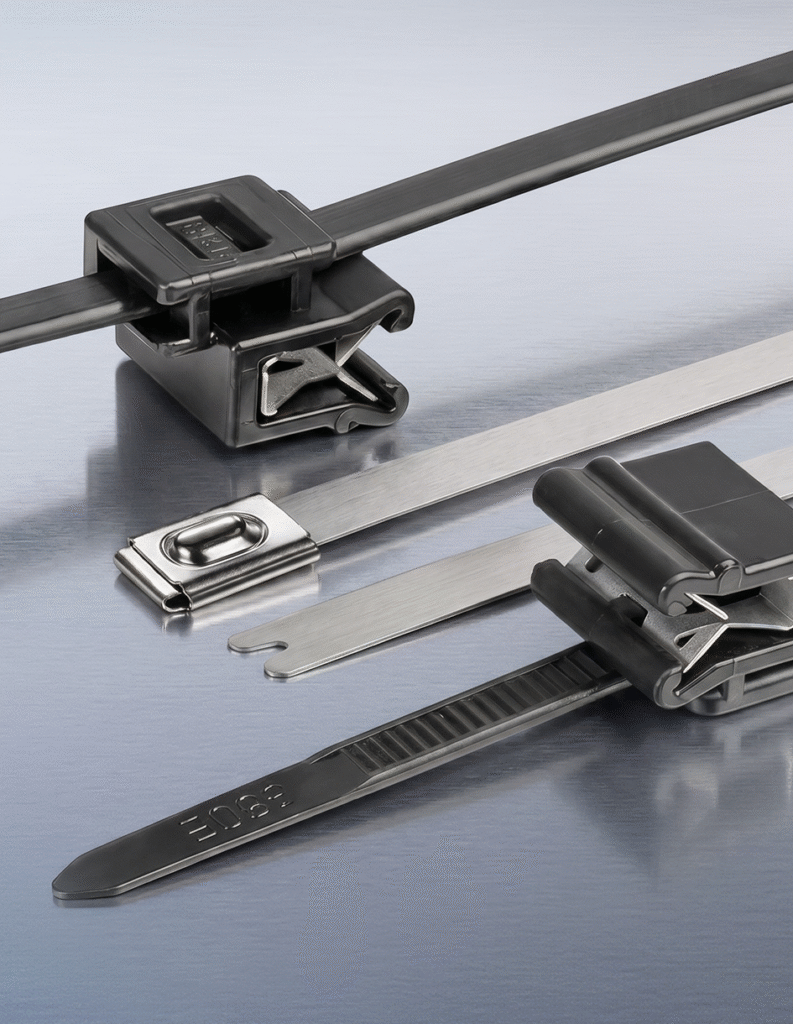
Cable tie
and fixing
elements
Cable ties and fasteners for various applications involving bundling, securing and labelling:
- UV- and weather-resistant
- halogen-free
- reversible
- UL and CSA approval, VG, MIL, and many more.
- heat-stabilised
- TEFZEL binders up to 260 °C
- EDGE CLIP for edge fastening
- Stainless steel cable ties with tensile strengths of up to 4,000 N
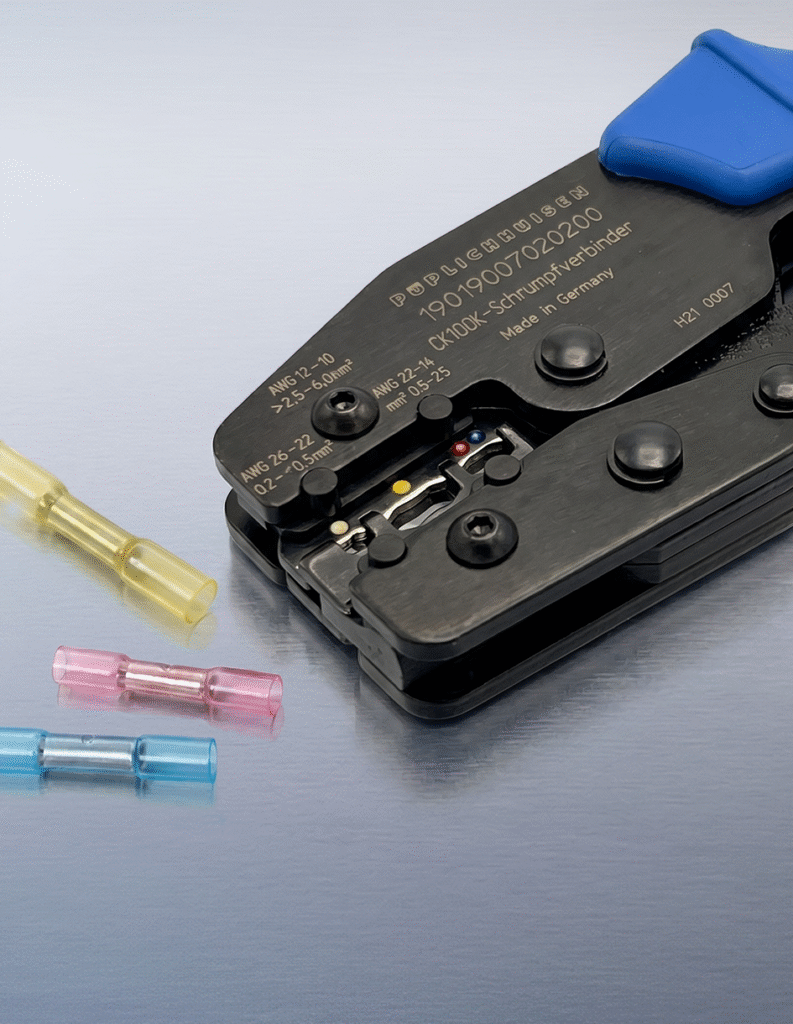
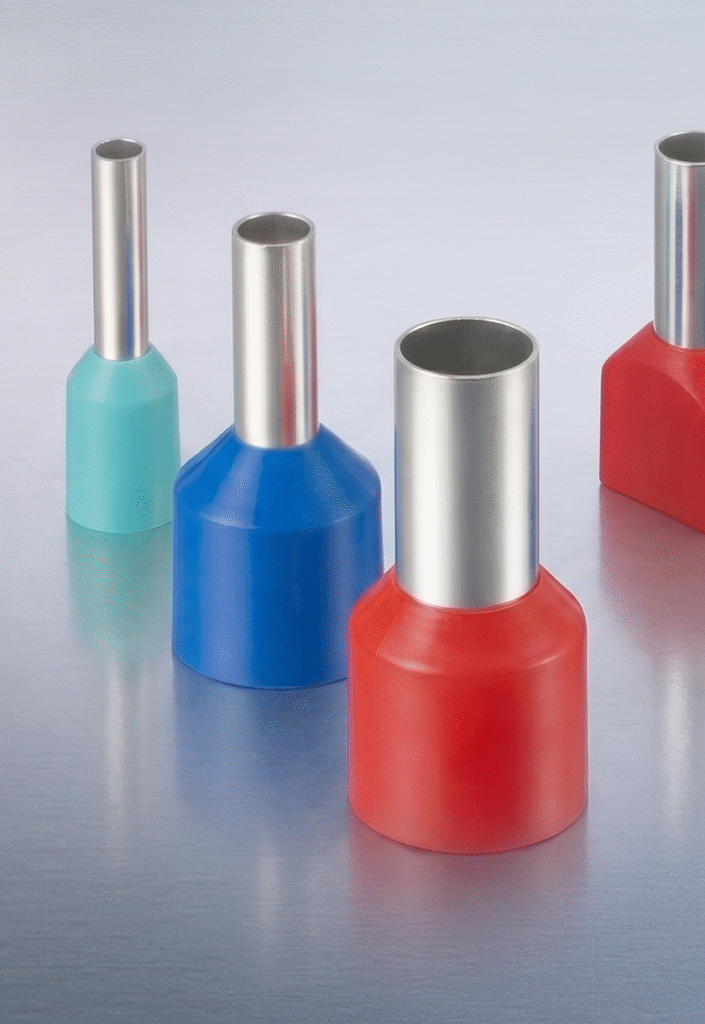
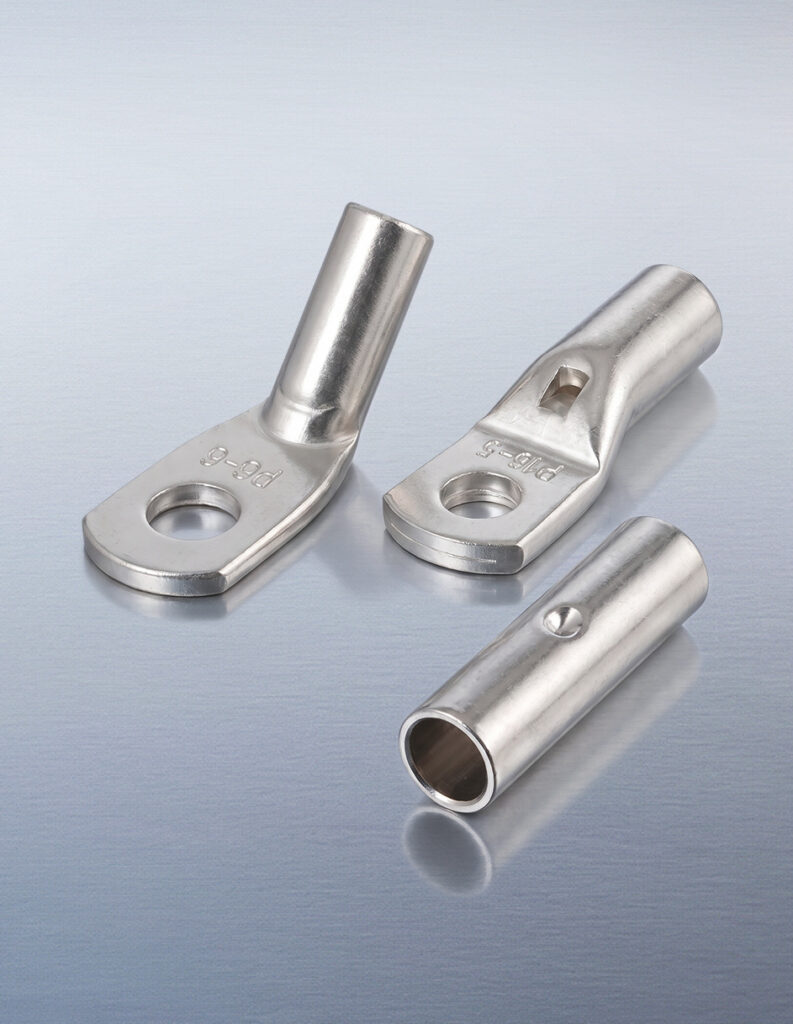
Crimp terminals
and connector
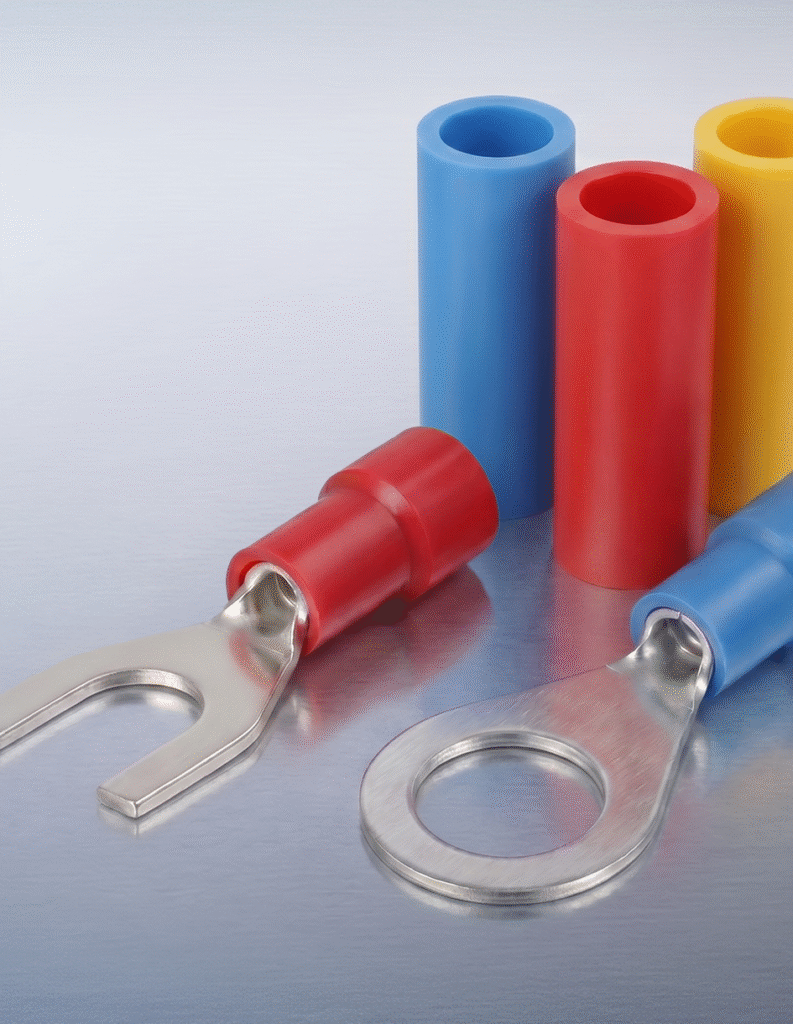
Cable lugs and connectors, both insulated and uninsulated, form part of our standard range.
- Ring shape in accordance with DIN 46234, pin shape in accordance with DIN 46230, fork shape
- Ring shape in accordance with DIN 46237, pin shape in accordance with DIN 46231, fork shape
- Butt, parallel and end connectors
Crimp contacts,
Connector
and casing
FAQ: Frequently Asked Questions
to electronic connectors.
What is the difference between IDC and Insulation Displacement Connector technology?
IDC is optimised for multi-wire conductors and series production, Insulation Displacement Connection (IDC) for quick, tool-free assembly for smaller cross-sections.
Which connectors are suitable for ribbon cables?
Connectors with lateral entry – compact, high-pole, and often available with IDC technology.
How many mating cycles do electronic connectors typically last?
That depends on the design: simple board-to-board connectors around 200–500 cycles, medical technology connectors up to 10,000 cycles.
What is the difference between board-to-board and wire-to-board?
- Board-to-Board Connecting two PCBs directly together.
- Wire-to-Board Connecting wiring harnesses or cables to a printed circuit board.
Which materials are suitable for high-frequency signals?
Gilded contacts and EMC-shielded housings are optimal for precise signal transmission at high frequencies.
Why are automotive connectors particularly robust?
Because they withstand extreme conditions such as vibration, temperature, and humidity and are tested according to LV214/USCAR-2.