
Crimping sleeves.
What are ferrules?
Cable end sleeves are an indispensable component in modern electrical installations. They protect stranded conductors from damage, improve electrical contact, and ensure a safe and durable connection. Particularly with fine or multi-stranded cables, they prevent individual wires from spreading out or breaking off during connection. In addition to mechanical protection, they also offer electrical functional safety by minimising contact resistance and preventing short circuits.
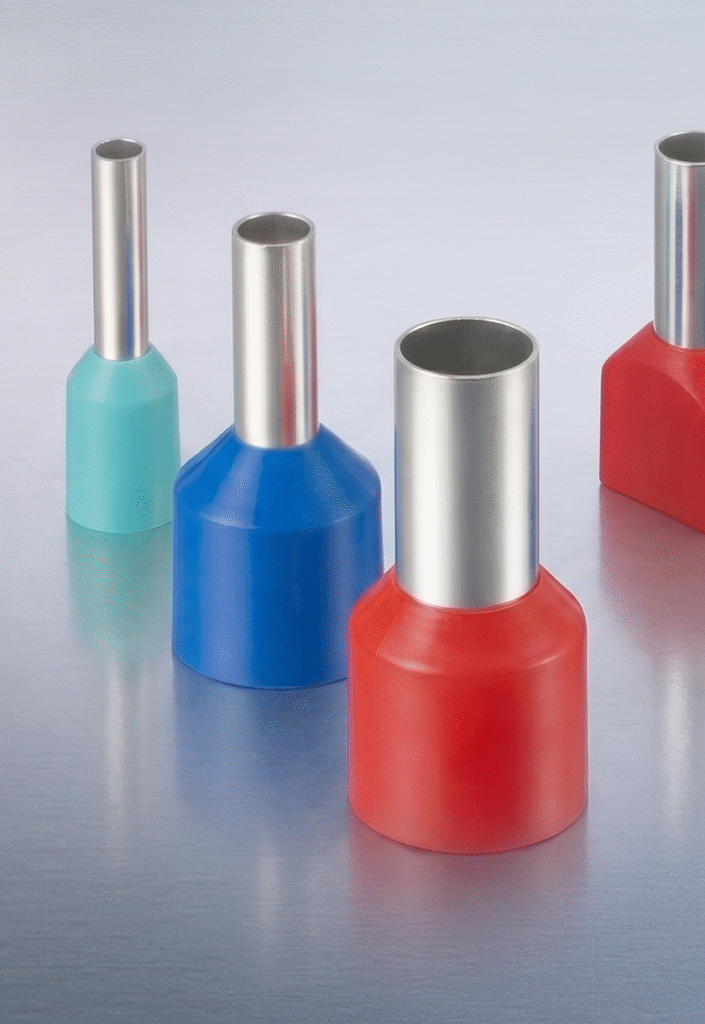
These are small metal sleeves – usually made of copper and often tinned – which are attached to the ends of stripped strands and then crimped using a crimping tool. They stabilise the conductor, simplify assembly in connection terminals and ensure uniform conductor pressure.
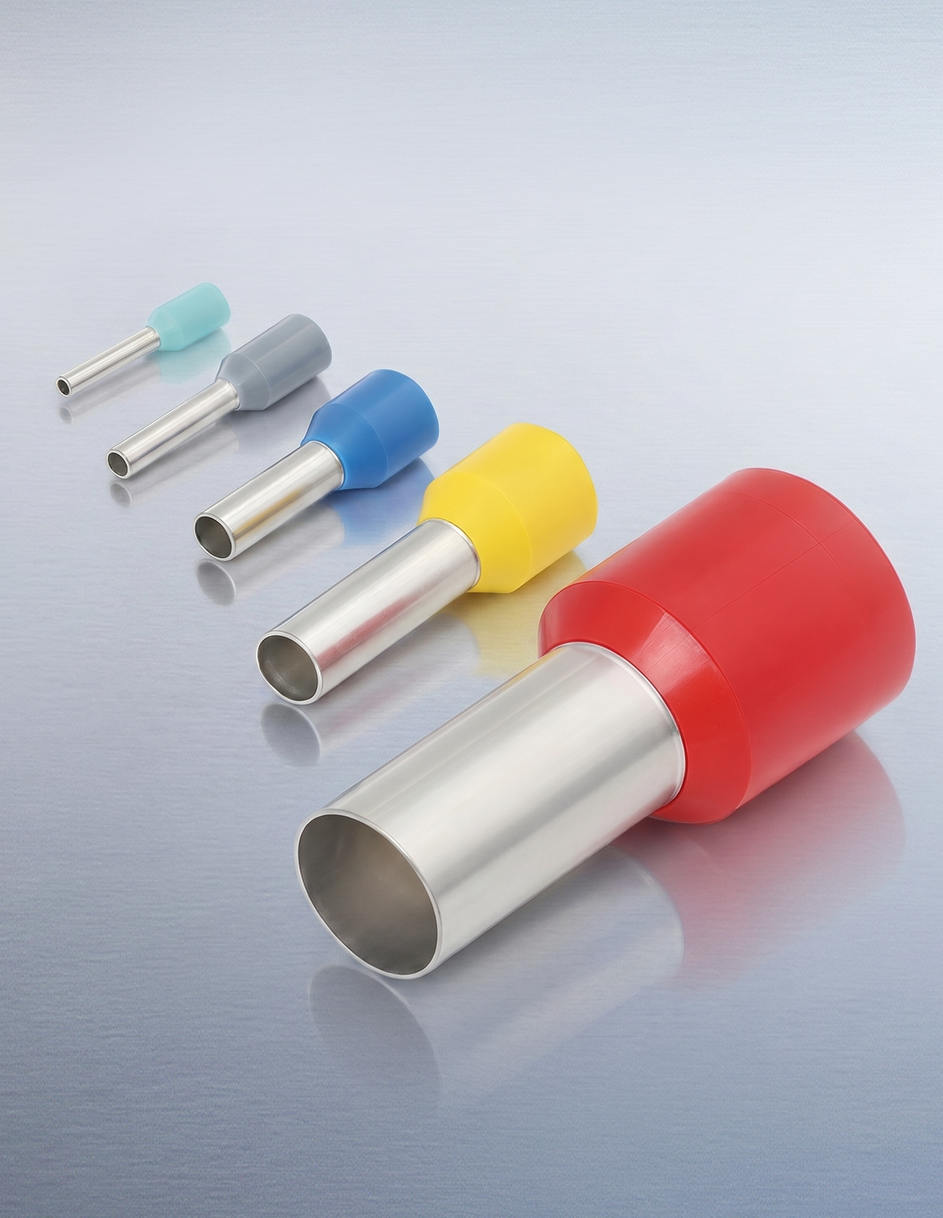
Püplichhuisen supplies wire end ferrules
in the following variants:
- Crimp sleeves without plastic collars
- Cable ferrules with plastic collars
- Twin ferrules
- Wire ferrule assemblies
Advantages and benefits of
of cable end sleeves.
Ferrules play an important role in electrical installations because they:
- Protecting strands from damage – prevents individual wires from breaking or loosening
- Avoid short circuits – reliably fix and disconnect the conductor ends
- Optimise electrical connections – ensure uniform contact pressure and low resistance
- Simplify assembly – a secure hold is made possible, especially with screw terminals
- Ensure compliant installation – according to DIN and IEC
Types and application of ferrules.
What are they?
There are several main types of wire ferrules:
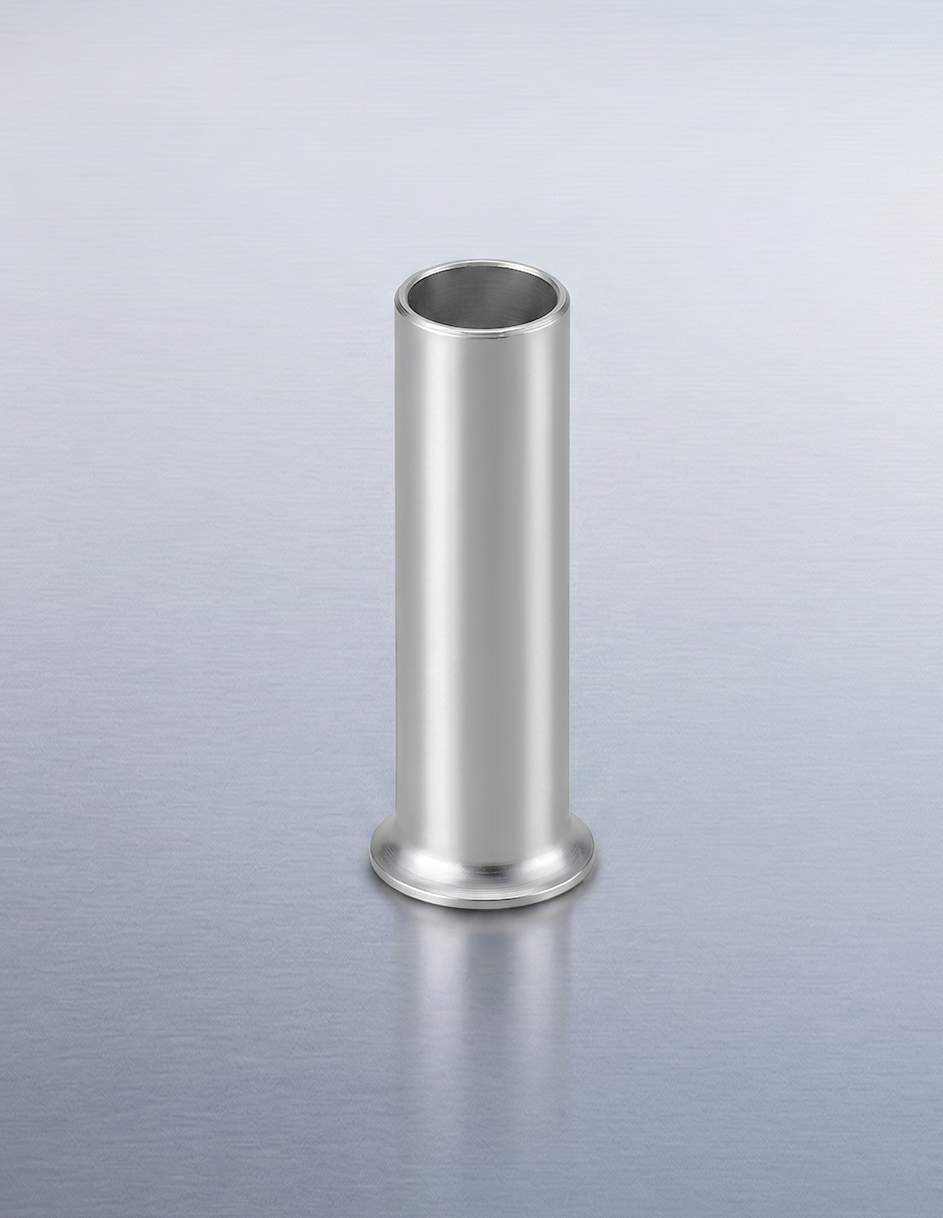
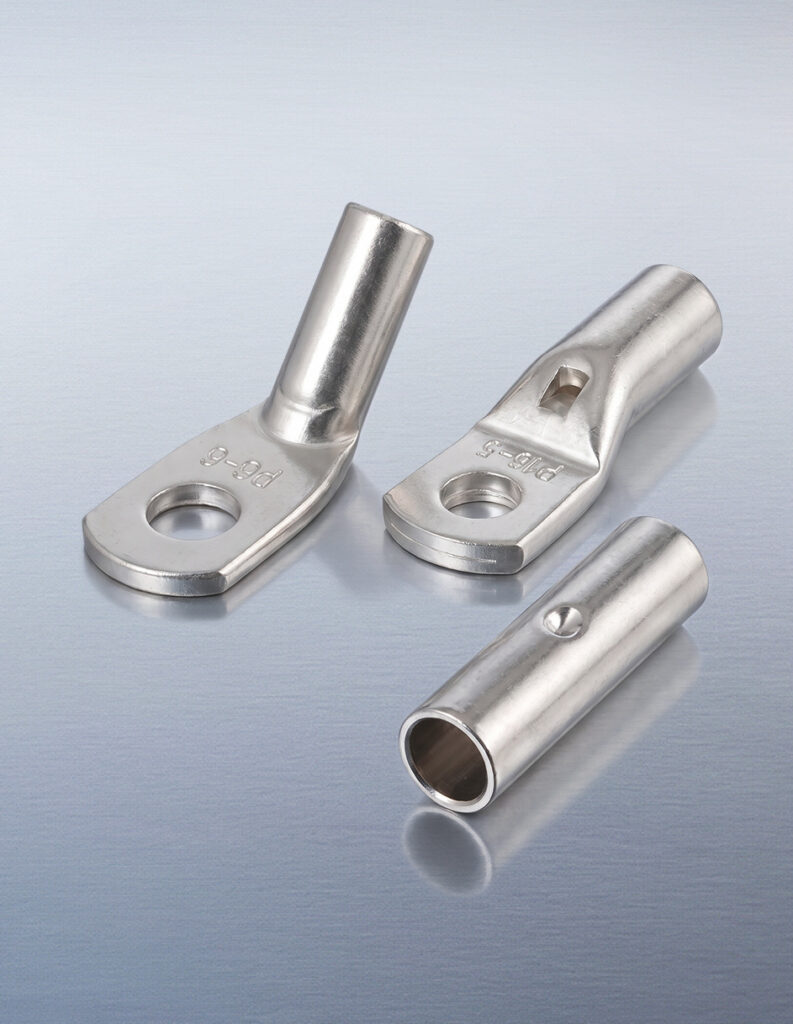
Uninsulated wire end ferrules plain metal sleeve, often tinned for corrosion protection
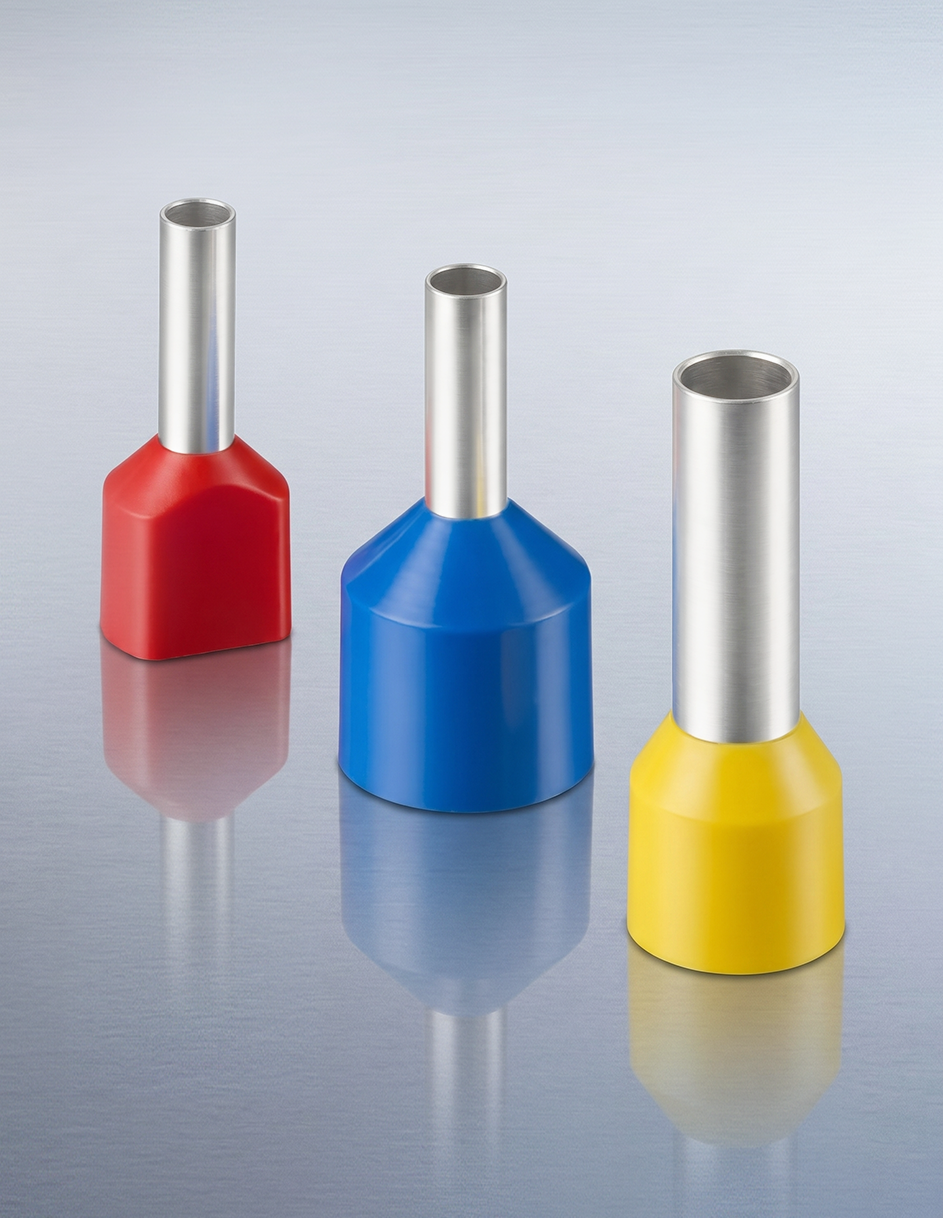
Insulated ferrule terminals with a coloured plastic collar that also identifies the conductor cross-section and provides touch protection
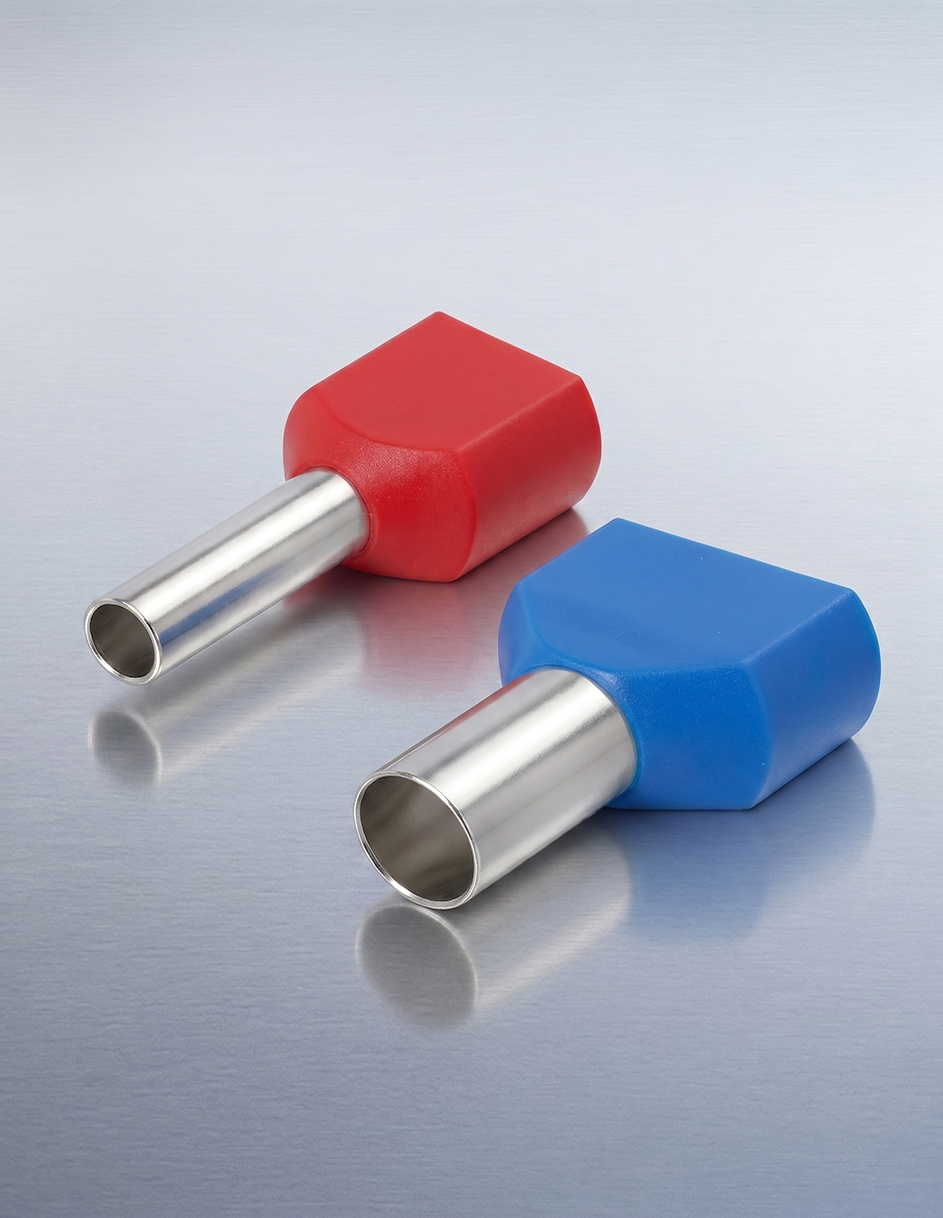
Double ferrule: you connect two conductors in one terminal

Applications
for cable end sleeves.
In combination with screw or push-in terminals, wire end ferrules offer crucial advantages. They prevent individual wires from being damaged or loosening when the screw is tightened, and ensure a stable connection – even with vibrations or frequent cable movement. This is particularly relevant in control cabinets, control systems, control panels, and industrial machinery.
End sleeves
Standards and regulations
DIN 46228 (Parts 1 – 4) is the relevant standard:
- Part 1 & 2 – Uninsulated Ferrules
- Part 3 – Insulated ferrules
- Part 4 – Twin Wire Ferrules
Alongside this, there are international standards such as IEC standards, which set comparable requirements.
Suitable processing tools
for ferrule terminals
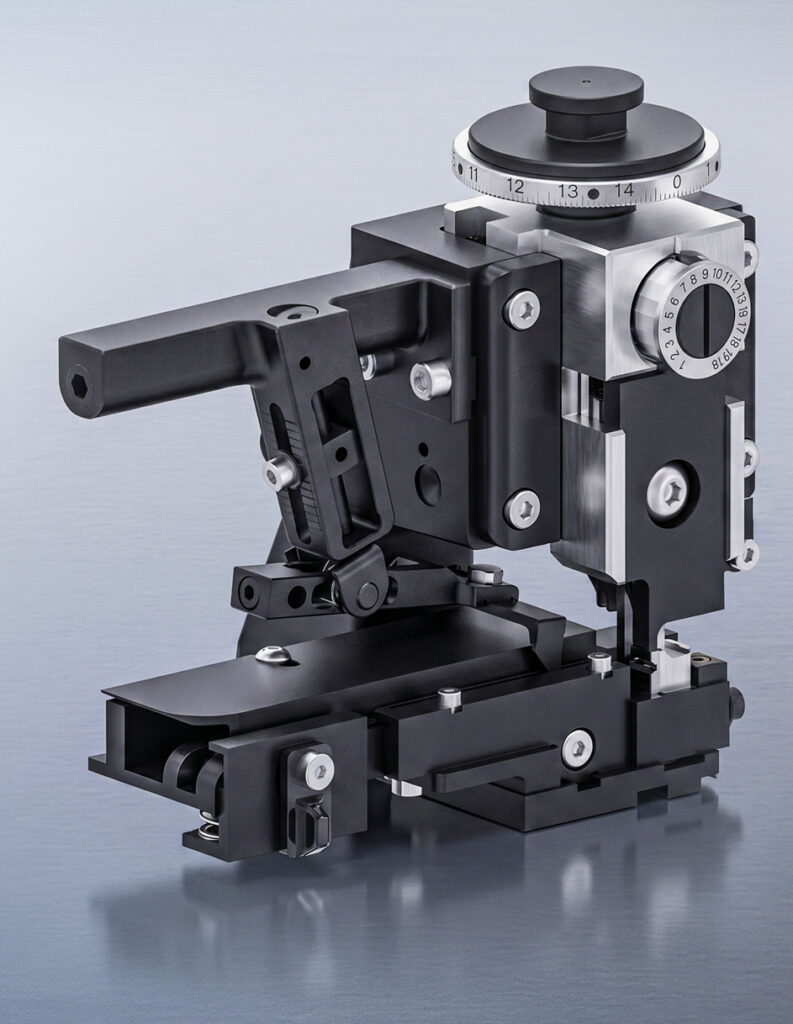
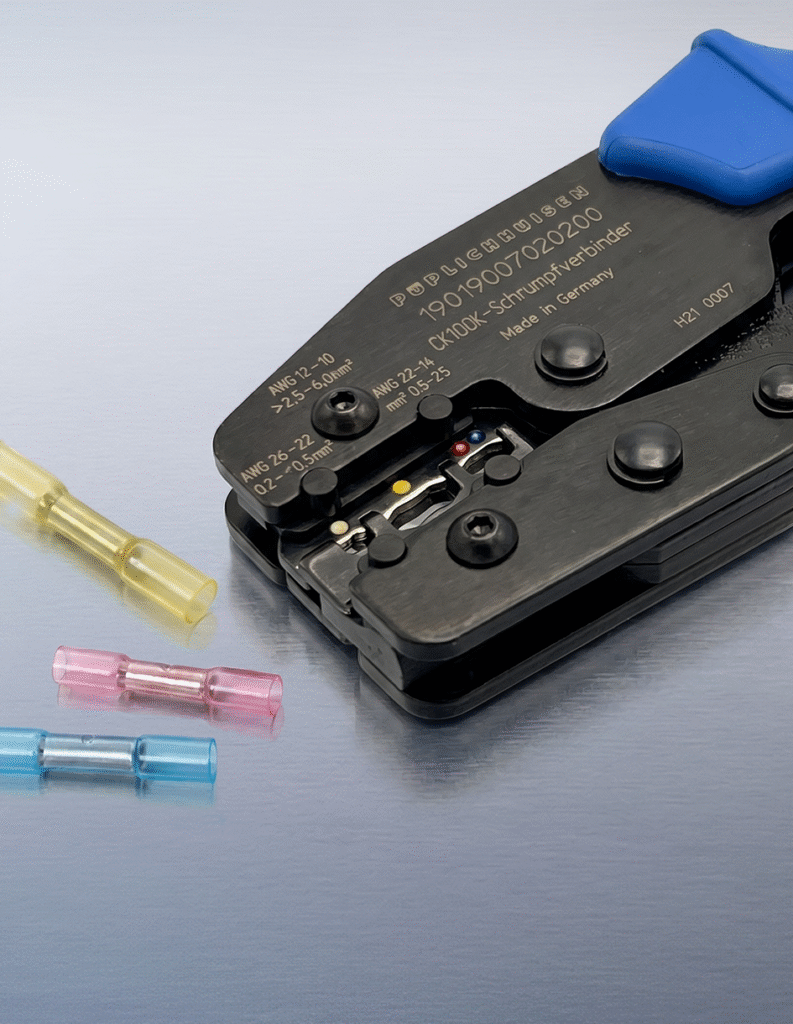
For the professional processing of wire end ferrules, crimping tools are used.
Different pressing profiles are used depending on the requirements:
- Hexagonal crimping – for optimal all-round crimping and high mechanical strength
- Square pressing – universally applicable and suitable for many cross-sections
- Trapezoidal crimping – particularly common with uninsulated ferrules
At Püplichhuisen, we provide comprehensive advice on your selection and deliver the right tools straight to you.
Our Partners.
When it comes to distribution, we deliberately focus on a curated brand portfolio, reliably tested quality and in-depth technical expertise, ensuring that components are available quickly and integrate seamlessly into your applications. The range extends from connectors, crimp contacts and ferrule sleeves, through cable protection and marking, to fastening technology, assembly tools and interfaces for automation – all efficiently sourced from a single supplier and reliably implemented.


























Our
Product catalogues.
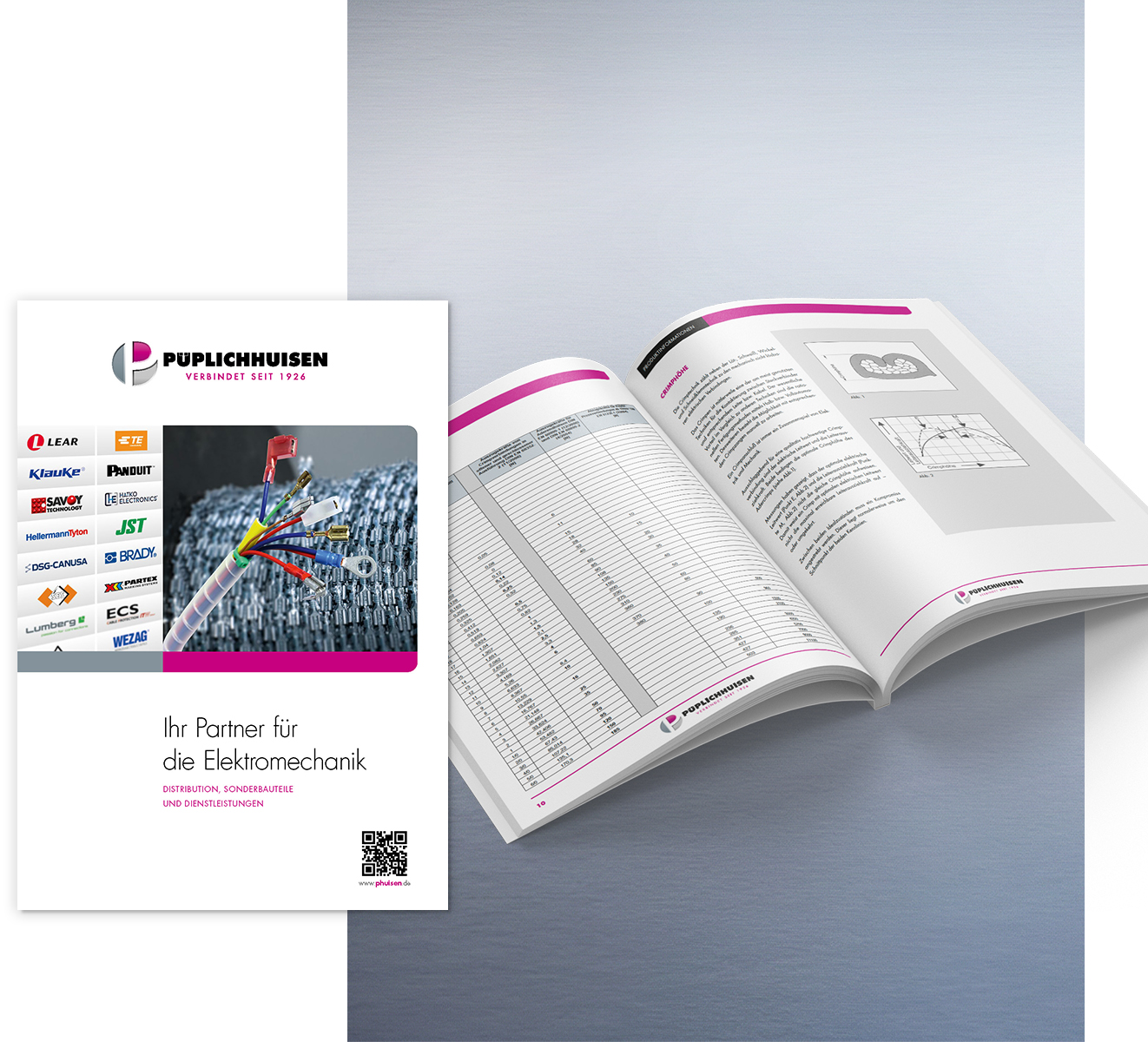
All product catalogues, series overviews and data sheets from Püplichhuisen in one place – always up to date. With technical specifications, standards and ordering information as PDFs for direct download. Ideal for purchasing, development and production.
Your path to becoming a distributor
for cable end sleeves.
Use our contact form or call us directly to learn more about our distribution services. Our engineers will analyse your requirements and prepare a detailed quote for you.

All product groups.

Electronics
Connectors and
Connector
system
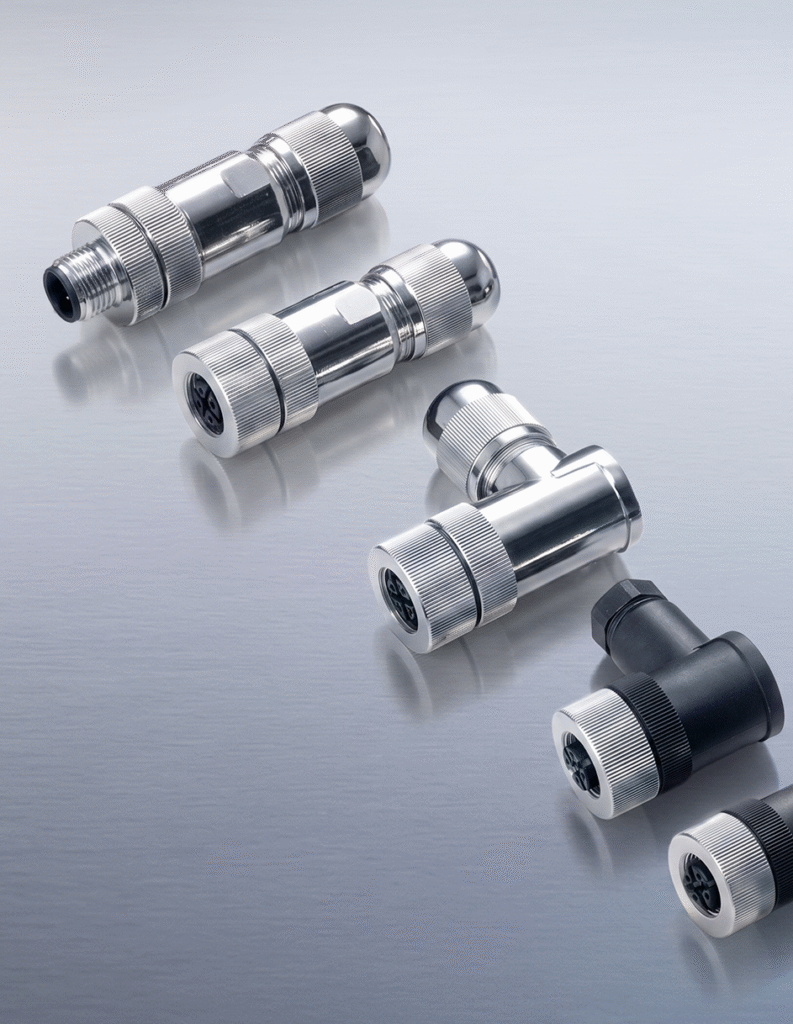
Connection systems for industrial automation, medical technology, measurement and control technology, automotive, etc.
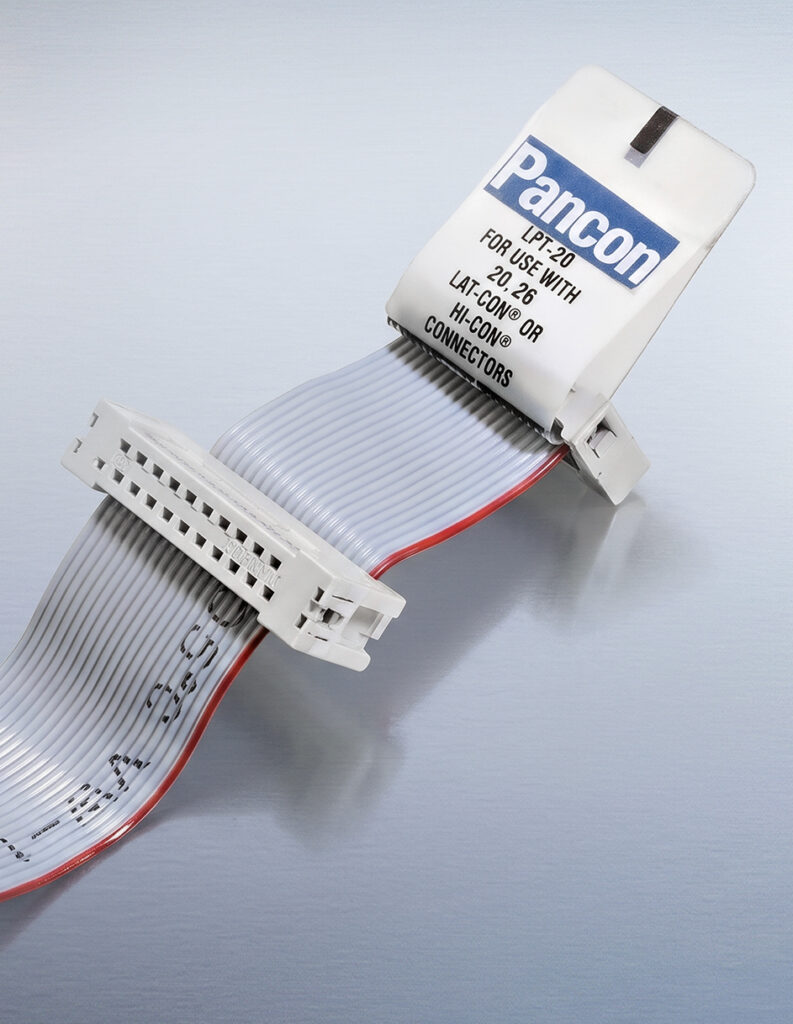
- IDC connector technology, insulation displacement technology for fast, secure, and rational connection technology
- for ribbon cable technology with lateral entry
- for printed circuits
Cable tie
and fixing
elements
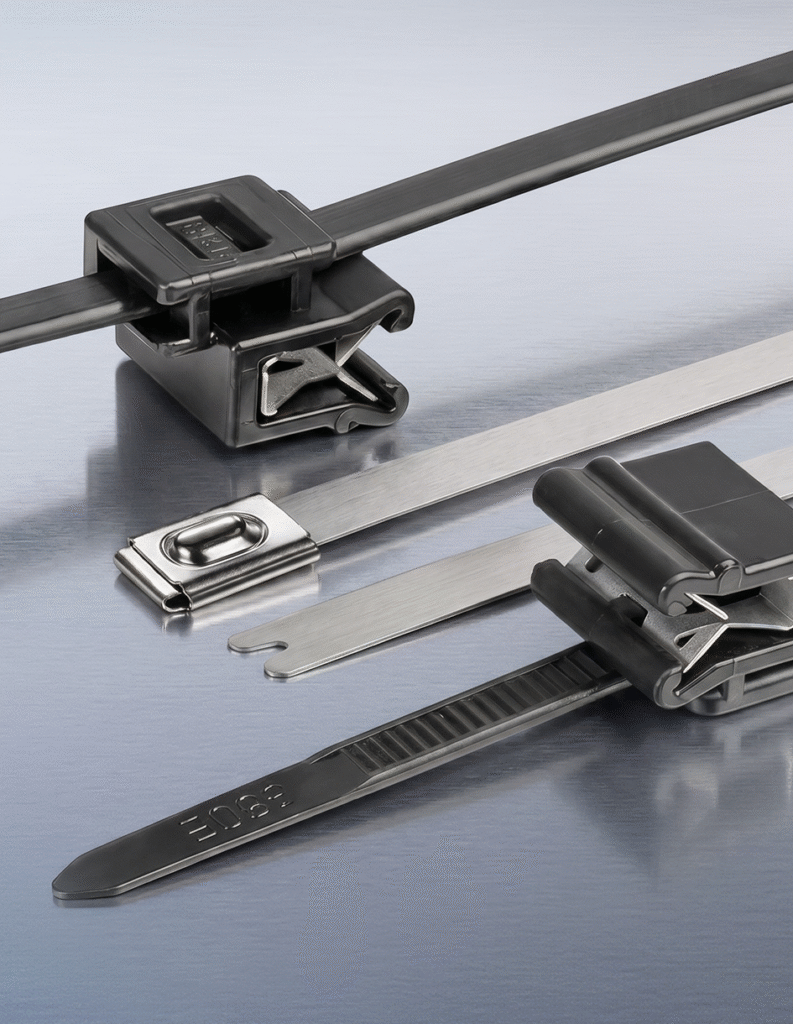
Cable ties and fasteners for various applications involving bundling, securing and labelling:
- UV- and weather-resistant
- halogen-free
- reversible
- UL and CSA approval, VG, MIL, and many more.
- heat-stabilised
- TEFZEL binders up to 260 °C
- EDGE CLIP for edge fastening
- Stainless steel cable ties with tensile strengths of up to 4,000 N
Crimp terminals
and connector
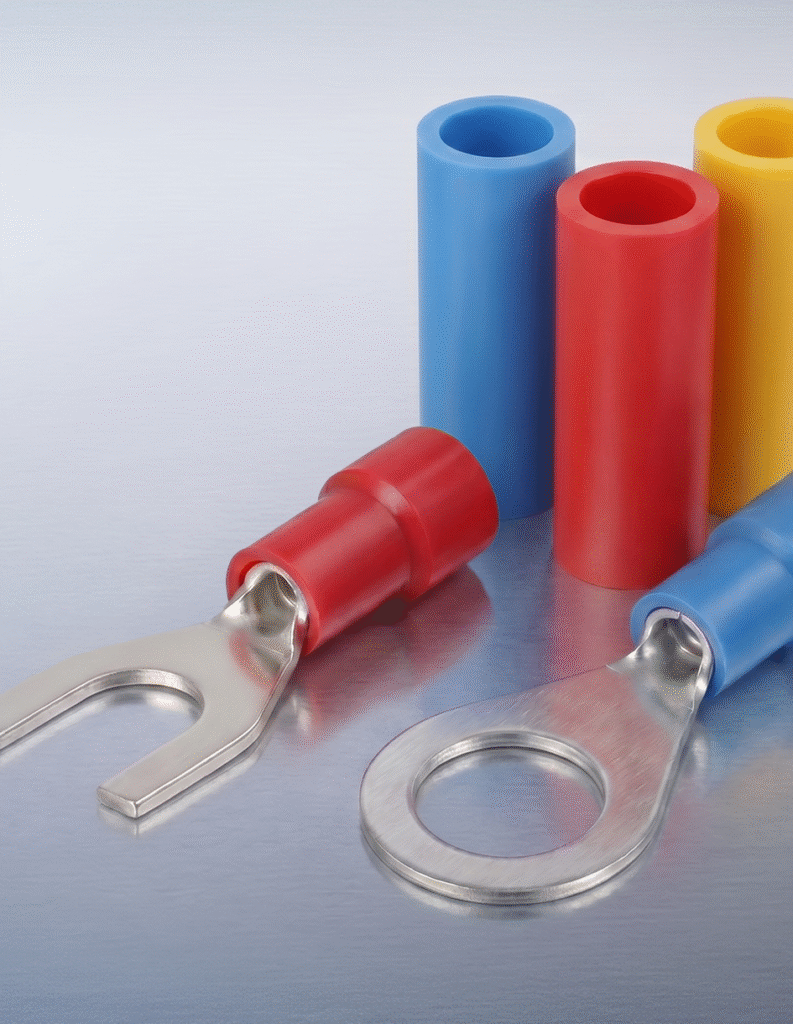
Cable lugs and connectors, both insulated and uninsulated, form part of our standard range.
- Ring shape in accordance with DIN 46234, pin shape in accordance with DIN 46230, fork shape
- Ring shape in accordance with DIN 46237, pin shape in accordance with DIN 46231, fork shape
- Butt, parallel and end connectors
Crimp contacts,
Connector
and casing
FAQ: Frequently Asked Questions
to end caps.
Where are wire end ferrules used?
For the protection of strands, to improve contact quality and to prevent short circuits.
Are cable end sleeves mandatory?
Often prescribed for VDE-compliant installations with fine-stranded conductors in terminals.
Which standards apply to wire end ferrules?
In Germany, DIN 46228, internationally often IEC standards.
What are the advantages of insulated versions?
Improved handling, colour-coded cross-section marking, additional touch protection.
Where are wire end ferrules used?
In control cabinets, appliances, controls, mechanical engineering and building technology.
How are wire end ferrules installed?
The ferrule is fitted onto the stripped end of the conductor and crimped with a suitable crimping tool.
What are the advantages of wire end ferrules?
They protect conductor ends, improve contact, simplify assembly and increase operational safety.
Are there different types of ferrules?
Yes – uninsulated, insulated, and twin wire ferrules for various applications.