
Processing technology
precise solutions for cables,
Pipes and connections.
die Bedeutung von
Processing technology.
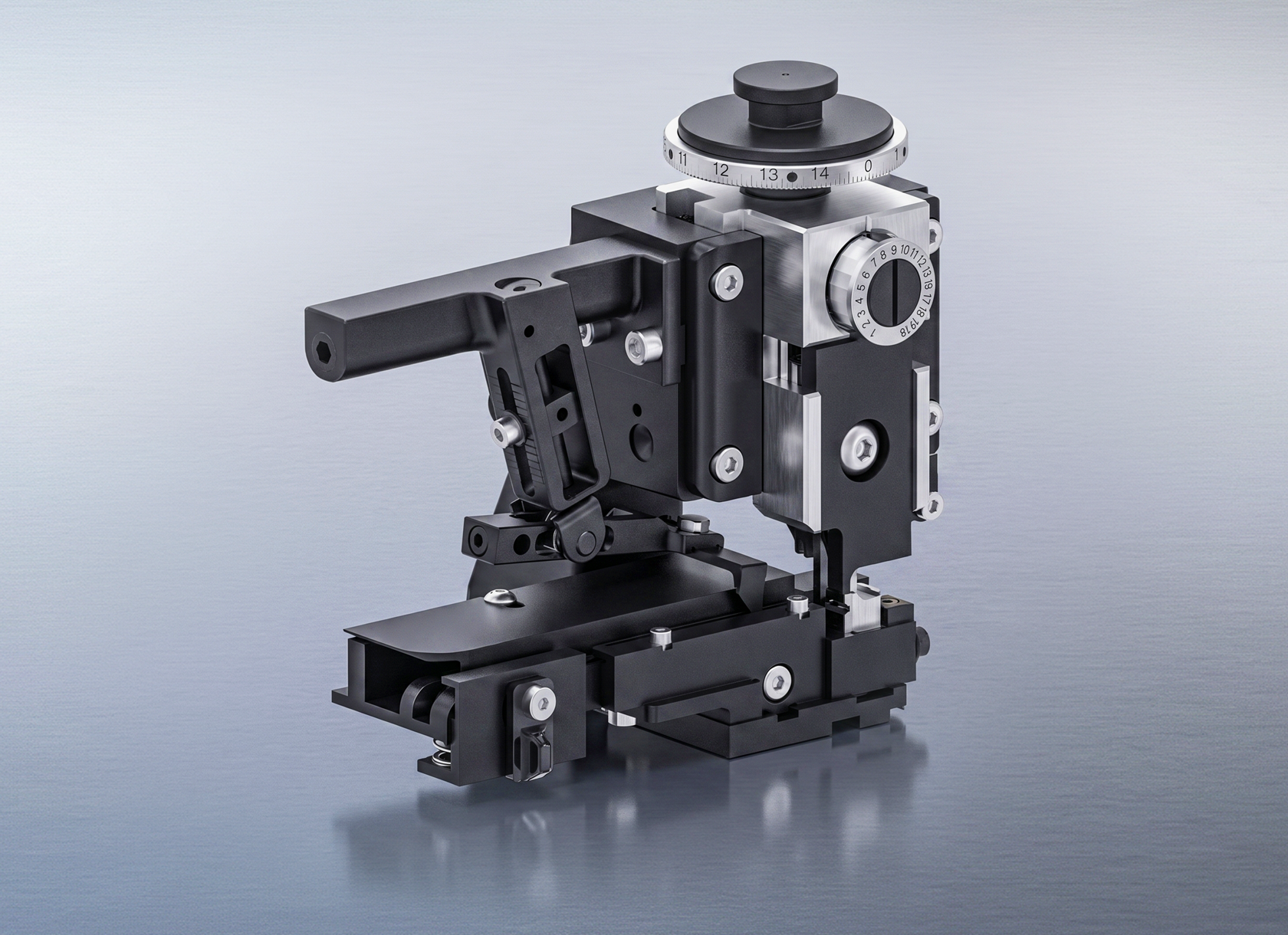
Processing technology is a core component of electromechanics. It ensures the reliable processing of cables, wires, and contacts, thereby guaranteeing safe electrical connections. Modern processing equipment allows cable assemblies to be manufactured efficiently, in compliance with standards, and with consistently high quality.
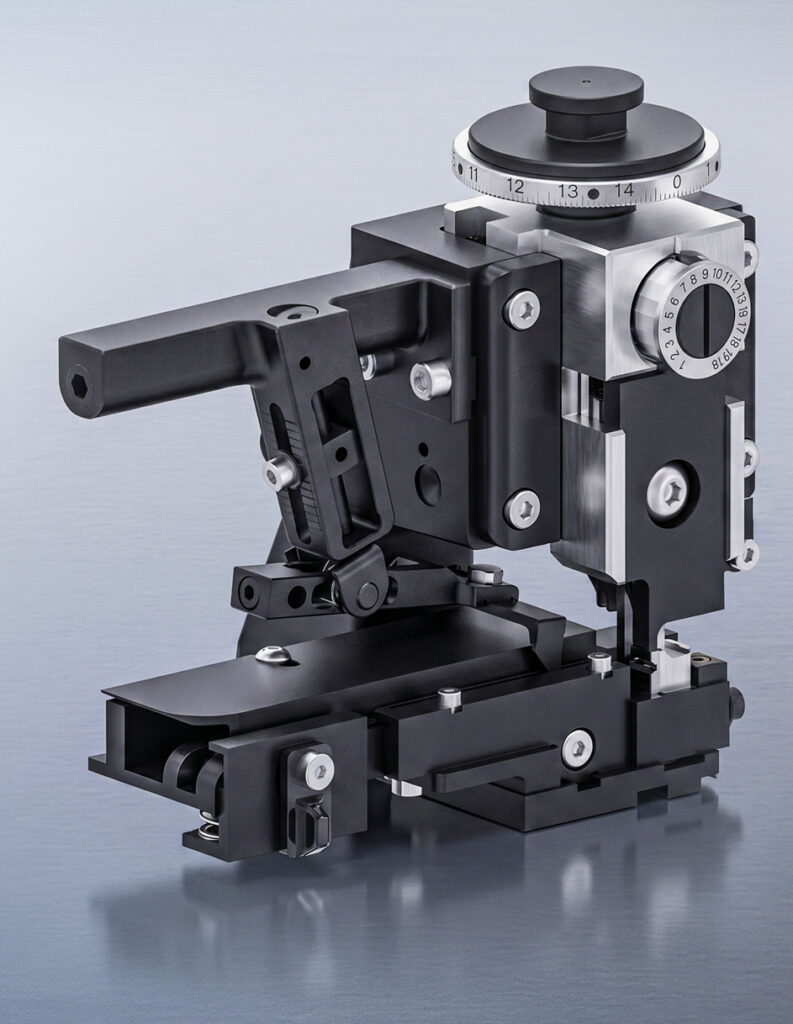
Püplichhuisen offers a wide range of processing equipment for cables, wires, crimp and compression connections, which can be used in manual, semi-automated or fully automated processes.
Benefits and advantages
modern processing technology.
- Efficiency Higher speed with maintained quality
- Precision Standards-compliant processing of cables and contacts
- Flexibility Solutions from manual labour to series production
- Ergonomics user-friendly operation of the devices
- Reliability Durable electrical and mechanical safety
Variations of
Processing equipment.
What are they?
Processing equipment for
Cables & Lines.
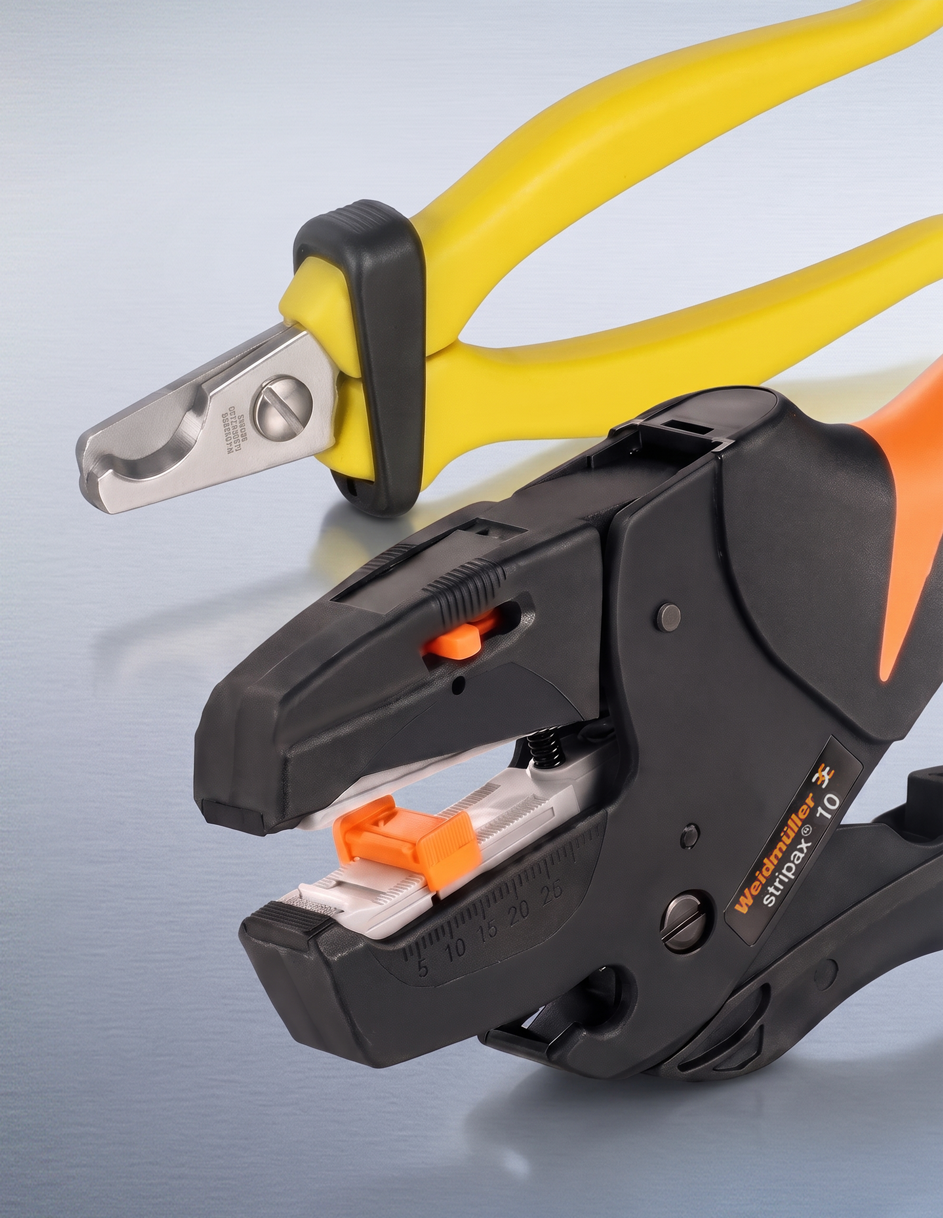
These devices allow for the cutting, stripping, and preparing of cables for further processing. Depending on the requirements, manual, semi-automatic, or fully automatic machines are available.
Technical details: Processing cable diameters up to 120 mm², cutting speed up to 6,000 cycles/h, automatic length adjustment on machines, integration into production lines possible.
Typical applications: Cable assembly in industry, automotive engineering, and electrical installation.

Processing equipment
for lines.
Cable processing equipment is specifically designed for single-core and multi-core cables. They support processes such as stripping, cutting, crimping, or tinning.
Technical details: Conductor cross-sections from 0.08 mm² to 35 mm², automated feeding, programmable parameters for series production.
Typical applications: Control cabinet construction, medical technology, aerospace, electrical appliance manufacturing.
Processing equipment for
Crimp and compression connections.
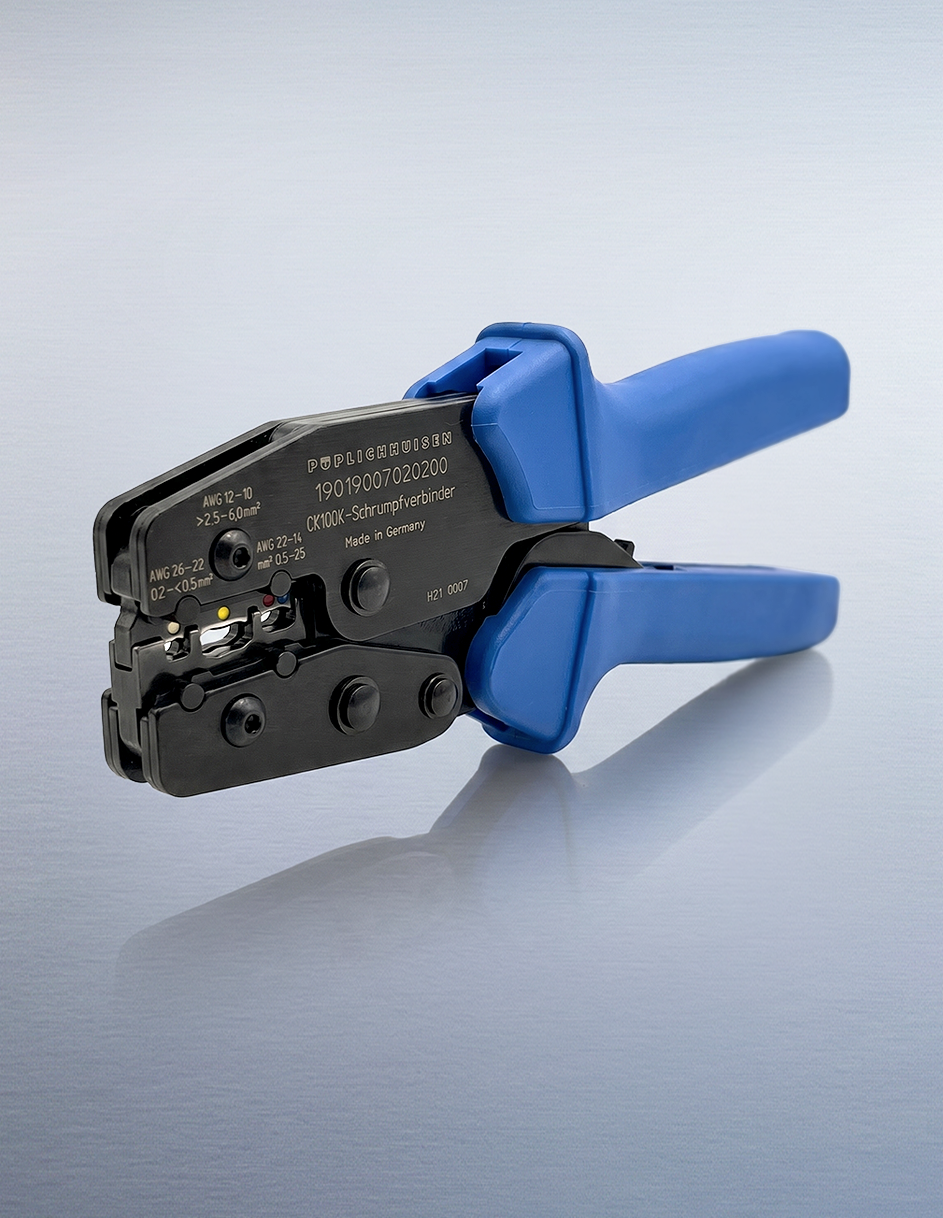
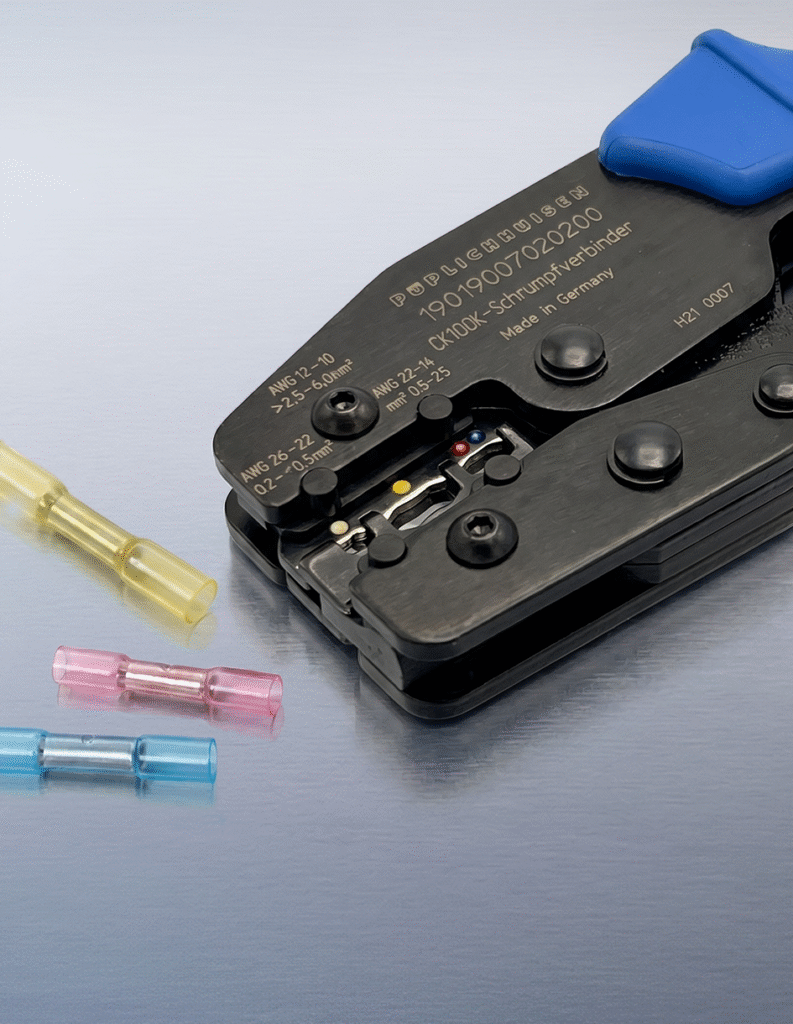
Crimping tools are the basis for secure, gas-tight, and standards-compliant connections between cables and contacts. They represent a durable alternative to soldering.
Technical details: Hand crimping pliers for small series, pressing force up to 20 kN for automatic machines, compliant with DIN EN 60352-2. Regular calibration recommended for maintenance.
Typical applications: Wiring harnesses in the automotive industry, control units, high-current applications.
Processing equipment
for press fittings /
Cable lugs.
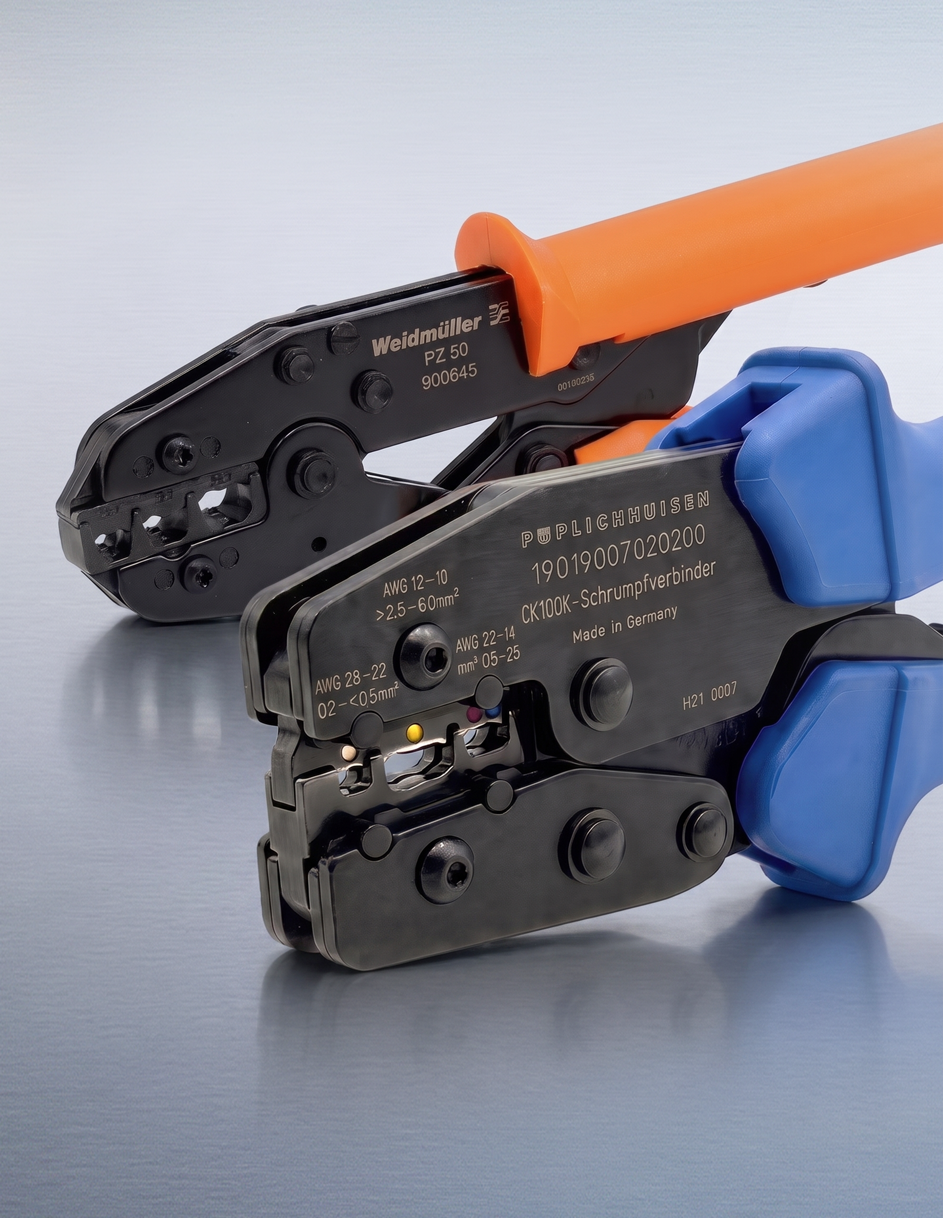
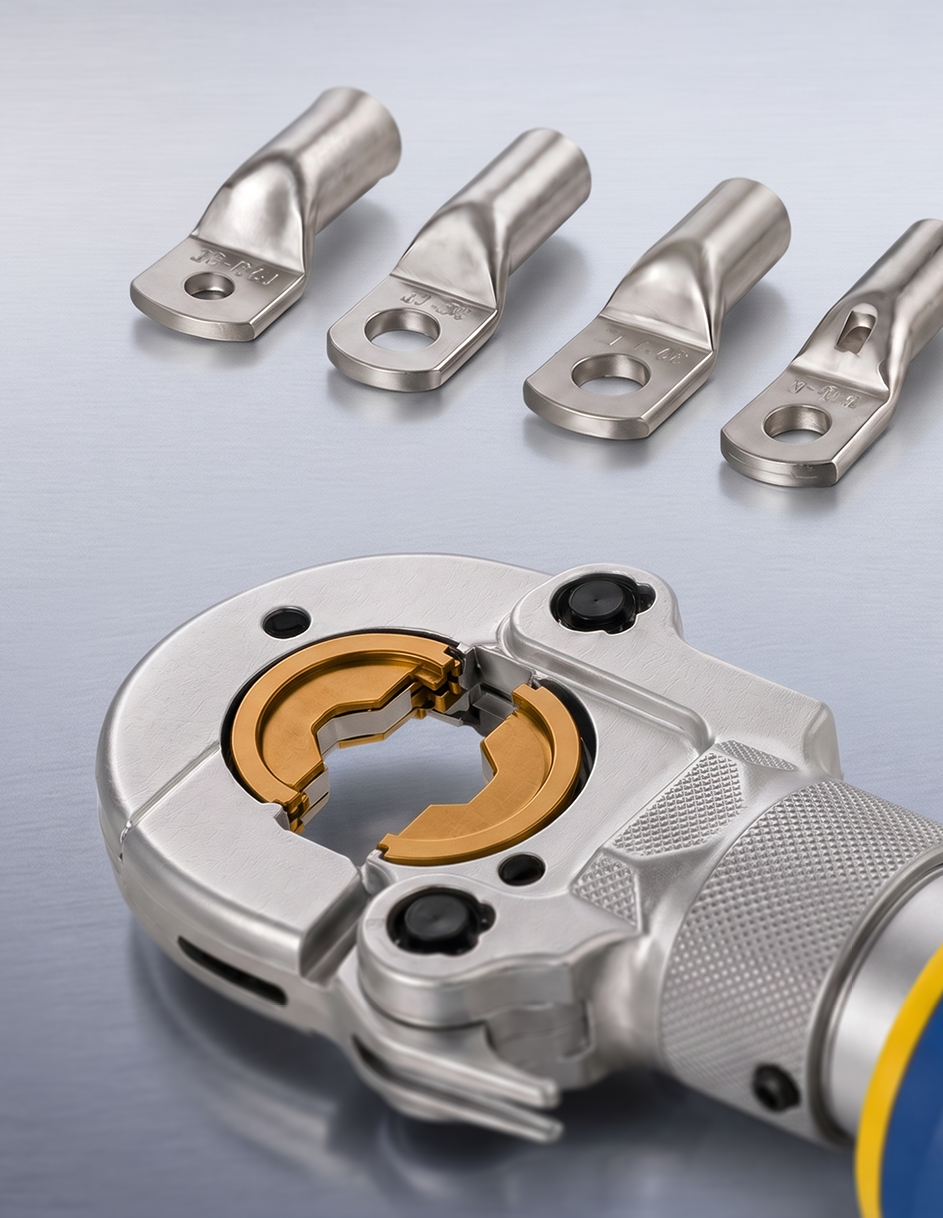
Crimping tools create a mechanical connection between conductors and cable lugs without soldering. Using the appropriate tools results in a reliable clamp with high mechanical strength.
Technical details: Suitable for cross-sections from 0.5 to 240 mm², processing of insulated and uninsulated cable lugs, common crimping types: die crimping, hexagonal crimping.
Typical applications: Energy technology, control cabinet construction, plant engineering, transport and vehicle technology.
Comparison: manual,
semi-automatic
fully automatic processing.
Device type
Advantages
Disadvantages
Area of application
Overview of the
Processing equipment
near Püblichhuisen.
Category
Special features
Technical details
Typical areas of application
Synonyms and
related terms.
- Crimping machines
- Cable processing machines
- Cable termination tools
- Contact processing equipment
- Press tools for electrical engineering
Terms such as ‘automated cable processing’ and ‘processing equipment for cable harnesses’ are also particularly sought after.
Standards and
Quality standards.
The manufacturing process complies with international standards that ensure the quality and safety of the joints:
- DIN EN 60352-2 – Crimp connections for electrical conductors
- DIN EN 60999 – Connection terminals for copper conductors
- IEC 60352 – Non-separable electrical connections
- UL/CSA certifications – international safety requirements
Our Partners.
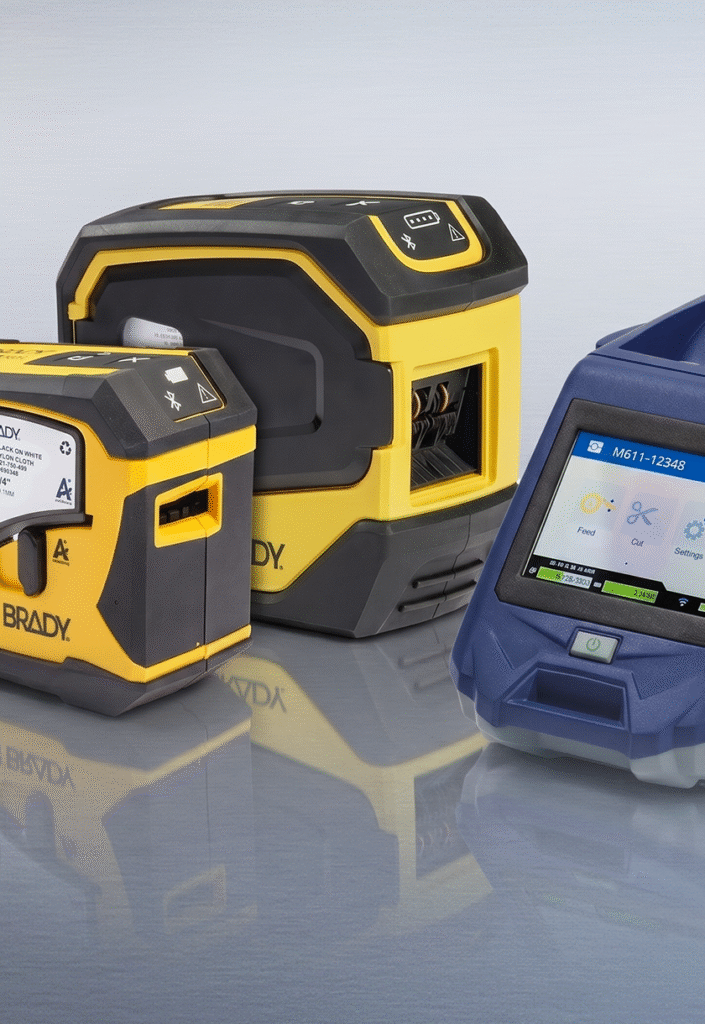
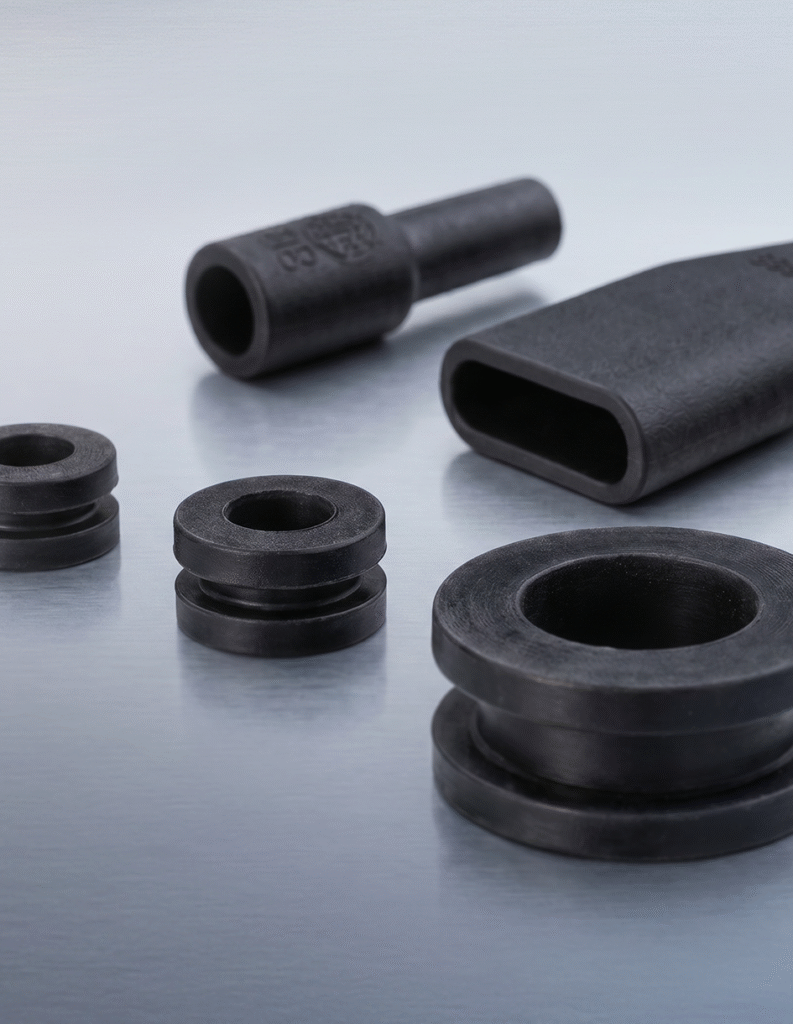
When it comes to distribution, we deliberately focus on a curated brand portfolio, reliably tested quality and in-depth technical expertise, ensuring that components are available quickly and integrate seamlessly into your applications. The range extends from connectors, crimp contacts and ferrule sleeves, through cable protection and marking, to fastening technology, assembly tools and interfaces for automation – all efficiently sourced from a single supplier and reliably implemented.

























Our
Product catalogues.
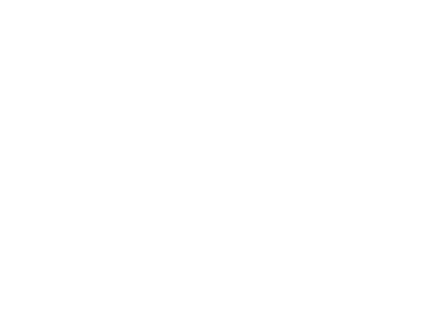
All product catalogues, series overviews and data sheets from Püplichhuisen in one place – always up to date. With technical specifications, standards and ordering information as PDFs for direct download. Ideal for purchasing, development and production.
How to become a partner
for processing technology.
Whether you’re looking for hand-held tools for flexible applications or fully automatic machines for large-scale production – at Püplichhuisen, you’ll find precise and durable processing equipment for cables, wires and contacts.

All product groups.

Electronics
Connectors and
Connector
system
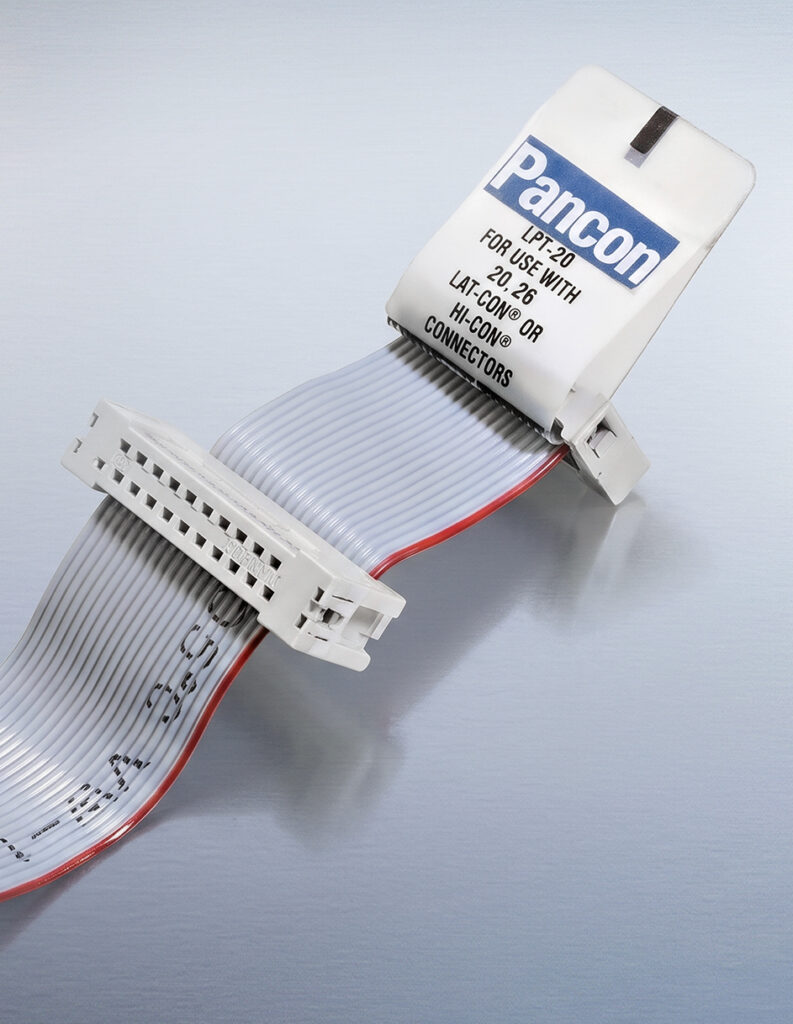
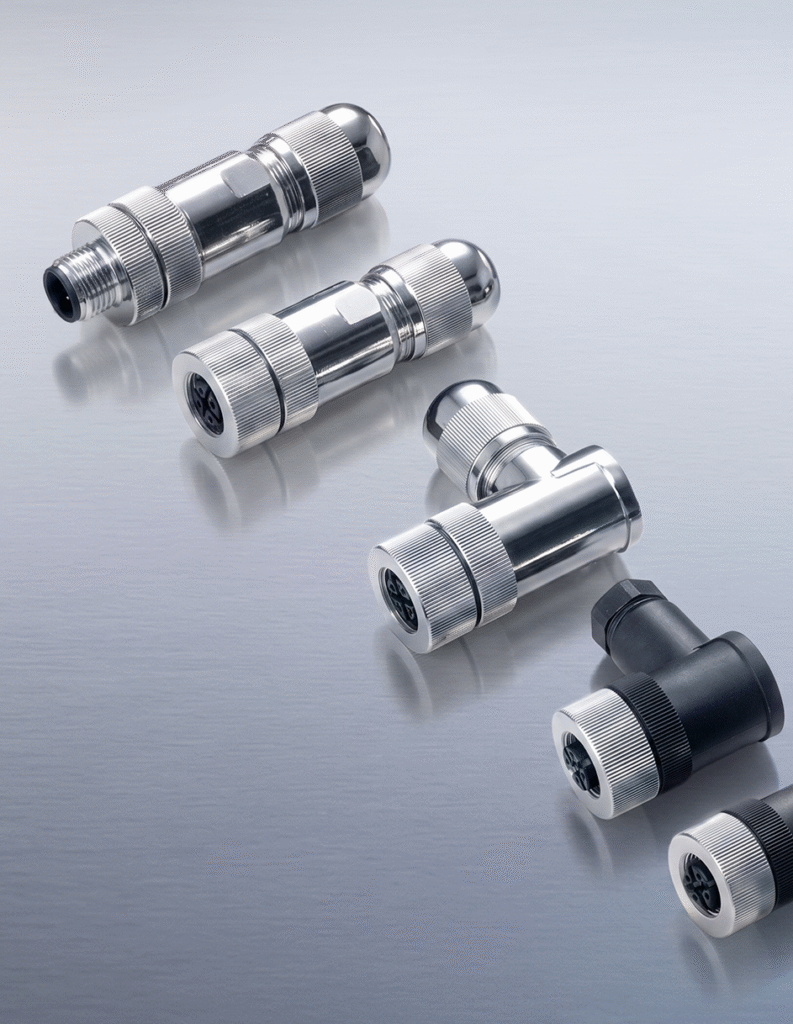
Connection systems for industrial automation, medical technology, measurement and control technology, automotive, etc.
- IDC connector technology, insulation displacement technology for fast, secure, and rational connection technology
- for ribbon cable technology with lateral entry
- for printed circuits
Cable tie
and fixing
elements
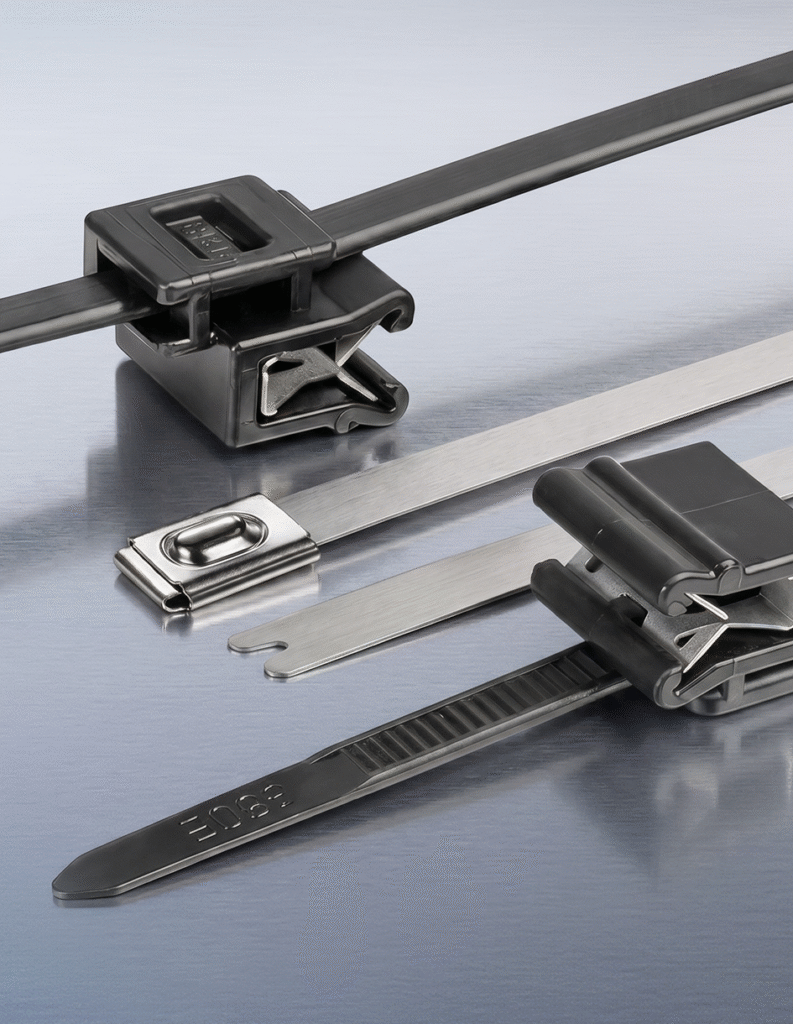
Cable ties and fasteners for various applications involving bundling, securing and labelling:
- UV- and weather-resistant
- halogen-free
- reversible
- UL and CSA approval, VG, MIL, and many more.
- heat-stabilised
- TEFZEL binders up to 260 °C
- EDGE CLIP for edge fastening
- Stainless steel cable ties with tensile strengths of up to 4,000 N
Crimp terminals
and connector
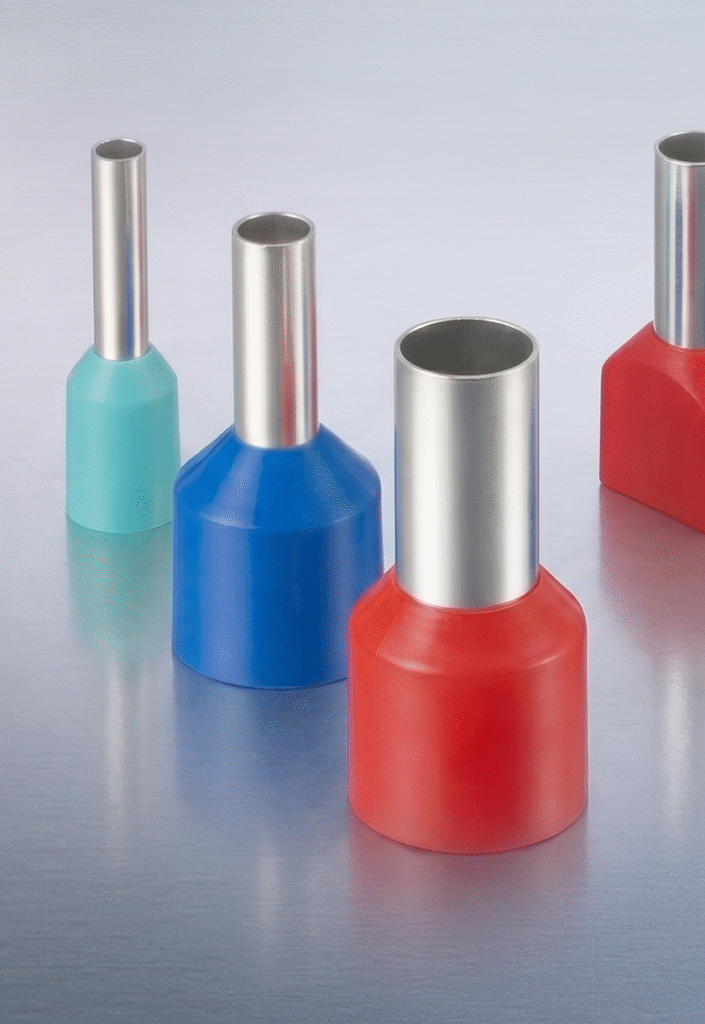
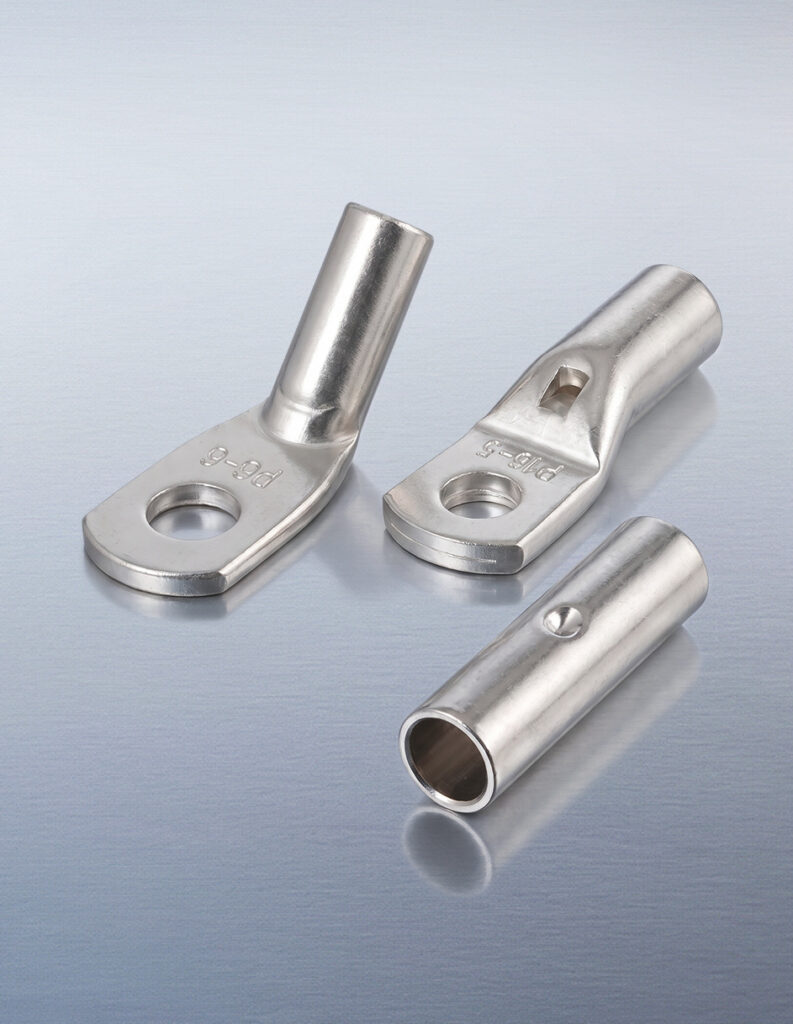
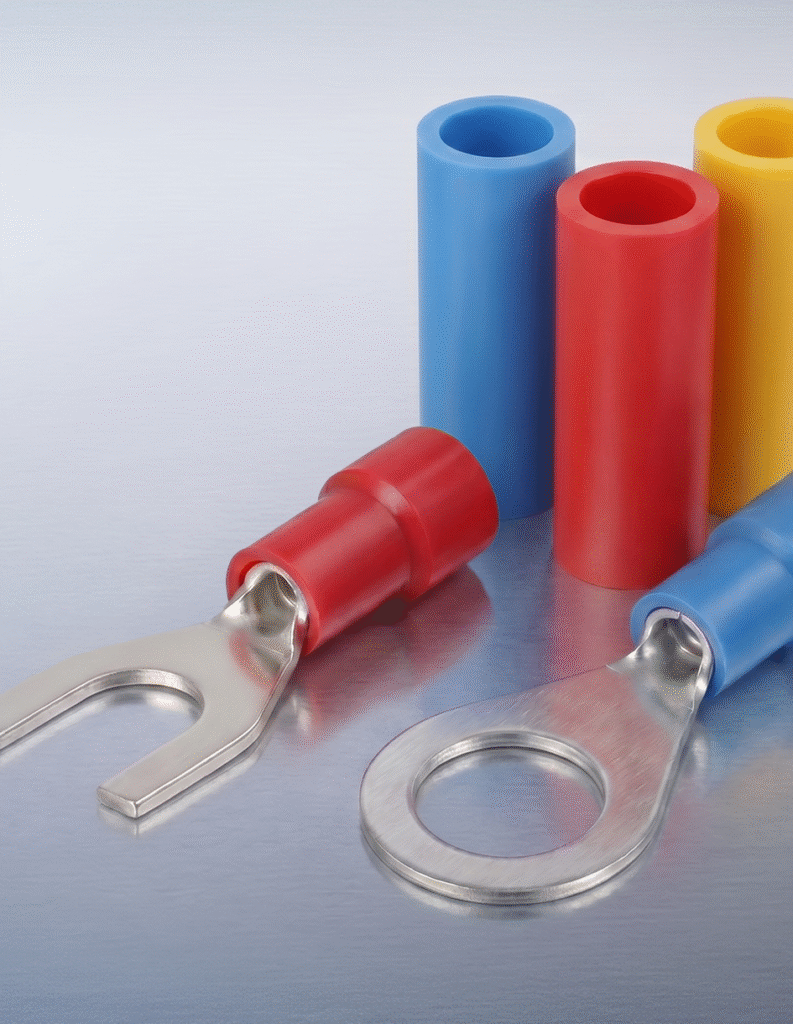
Cable lugs and connectors, both insulated and uninsulated, form part of our standard range.
- Ring shape in accordance with DIN 46234, pin shape in accordance with DIN 46230, fork shape
- Ring shape in accordance with DIN 46237, pin shape in accordance with DIN 46231, fork shape
- Butt, parallel and end connectors
Crimp contacts,
Connector
and casing
FAQ: Frequently Asked Questions
on processing techniques.
What is the difference between crimp and compression connections?
Crimped joints are gas-tight and vibration-resistant; crimped joints offer high mechanical strength but are not gas-tight.
When is it worth using semi-automatic or fully automatic machines?
Semi-automatic machines are cost-effective for medium-sized production runs, whilst fully automatic machines are suitable for large-scale production or where high volumes with consistent quality are required.
What cross-sections can processing equipment handle?
From fine wires measuring 0.08 mm² to high-current cables measuring 240 mm², depending on the type of appliance.
What standards apply to crimp connections?
In particular, DIN EN 60352-2 and international IEC standards. These define quality, test procedures and requirements for workmanship.
What types of crimping are there for crimp connections?
The most common types are pin crimping, hexagonal crimping and oval crimping, depending on the cable lug and the requirements.
How can I tell if a crimp connection is good?
By means of a tensile test, a visual inspection and ensuring that the dimensions of the crimped joint comply with the relevant standards. A clean, smooth surface free from cracks is considered a sign of quality.